
Archive

2025

Browsing

Recovery houses, often referred to as halfway houses, provide a crucial bridge between intensive treatment programs and independent living. For individuals recovering from addiction, these environments offer a structured yet flexible setting to regain control over their lives. If you’re seeking guidance on sober living options, a halfway house in Boca Raton provides an excellent balance of care and autonomy that can support recovery journeys.

The Role of Structure in Recovery

One of the key features of recovery houses is the structured environment they provide. This structure helps residents establish routines, accountability, and a sense of normalcy in daily life. From morning check-ins to group meetings, these houses ensure that individuals remain focused on recovery. Rules, such as curfews or restrictions on visitors, might seem stringent, but they are fundamental in maintaining a supportive space, free from triggers that could lead to relapse.

These settings also promote the development of personal responsibility. Residents are typically required to adhere to house policies, maintain cleanliness, and contribute to shared responsibilities, all of which mirror the habits needed for independent living.

Building Independence Through Gradual Transition

Transitioning from a highly supervised environment, like a rehabilitation center, to independent living can be overwhelming. Recovery houses play a pivotal role by acting as an intermediary step. Residents can start to take back control of their lives without the immediate pressures of complete independence.

For example, many recovery houses encourage their residents to find jobs, volunteer, or pursue educational opportunities. This not only builds confidence but also helps individuals reestablish their roles within the broader community.

Peer Support and Connection

Another essential aspect of recovery houses is the strong sense of community they offer. Shared living arrangements promote peer support, as everyone in the house has firsthand experience with the challenges of recovery. Being surrounded by others who understand and can empathize with the struggle fosters emotional safety and encouragement.

These relationships often serve as a foundation for lasting friendships and support systems that extend well beyond the residency. This sense of connection can be a motivator for staying on track with recovery goals.

Ensuring Proper Care and Resources

Recovery is not a one-size-fits-all process. Recovery houses are well-equipped to cater to varying needs, often providing access to counseling, addiction specialists, or support groups. They also create a space to continue applying strategies learned during treatment. For a detailed breakdown of recovery stages and what to anticipate, this article on the stages of alcoholism recovery is an excellent resource.

Additionally, recovery houses usually collaborate with external programs to offer continuous care. For instance, after completing residential treatment, it’s beneficial to have a place that upholds support while allowing freedom—making the transition smoother and less daunting.

Conclusion

The ultimate goal of living in a recovery house is to leave it prepared for independence. Many residents use their time to rebuild essential life skills, like financial management or developing healthier communication patterns. The supportive structure ensures that when they transition out, they do so with confidence and stability.

By striking a balance between independence and proper support, these environments offer the perfect setting for individuals seeking to reclaim their lives.

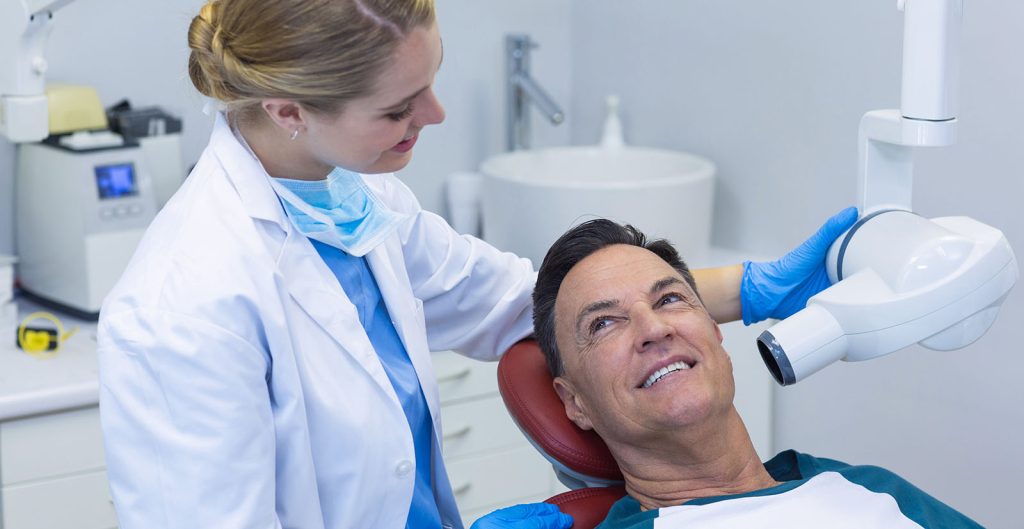
Understanding pediatric dentistry is crucial for your child’s health. A family dentist plays a vital role in this journey. They not only care for baby teeth but also ensure the development of strong adult teeth. Regular visits help catch any issues early, preventing bigger problems later. A West Chester dentist can guide you through this process, offering personalized care for your child. Children often feel anxious about dental visits. A skilled family dentist knows how to create a comfortable environment, making these visits less stressful. They use simple language to explain procedures, helping children feel at ease. Regular check-ups with a family dentist also teach children the importance of oral hygiene. They learn to brush and floss effectively, setting the foundation for lifelong habits. So, choosing the right family dentist is essential for your child’s dental health and overall well-being.

The Importance of Early Dental Care

Early dental care is critical for preventing issues that can affect a child’s health. Baby teeth, though temporary, serve many functions. They help with chewing and speaking and hold space for permanent teeth. Removing or losing baby teeth too soon can cause alignment problems later. Regular dental visits can monitor these situations, offering preventive strategies.


Your family dentist not only checks for cavities but also observes how teeth are developing. They ensure that teeth emerge correctly and the jaw is forming properly. According to the American Dental Association, it’s recommended that children visit the dentist by their first birthday. This early start prevents decay and builds a routine of care that strengthens over time.

Developing Good Habits

Instilling good oral hygiene habits from a young age is essential. Children learn best through routine and example. A family dentist can help reinforce these habits. They guide parents on how to support these practices at home. Brushing and flossing might seem simple, but consistency is key. Visits to the dentist encourage this consistency.

When children see their family members attending dental check-ups, they understand the importance of oral health. A family dentist provides guidance on diet, helping to reduce sugar intake, which contributes to cavities. They also demonstrate effective brushing techniques, which can make a big difference in maintaining healthy teeth.

Comparing Pediatric and Family Dentists

Many parents wonder if they should visit a pediatric or a family dentist. Both have their benefits, and it’s important to understand how they differ before making a decision.

Aspect Pediatric Dentist Family Dentist
Specialization Focuses solely on children’s teeth Cares for both children and adults
Environment Child-friendly settings General settings adaptable for kids
Services Advanced training in children’s dental issues Comprehensive care for the whole family

The Role of Family Dentists in Preventive Care

Family dentists excel in preventive care, crucial for evading common dental issues. They offer regular cleanings and fluoride treatments, which are effective in protecting teeth from decay. They also perform sealant applications for added protection.

Family dentists can handle emergencies too. Whether it’s a chipped tooth from a fall or sudden toothache, having a trusted dentist can make a stressful situation more manageable. The National Institute of Dental and Craniofacial Research highlights that preventive care reduces the risk of developing serious conditions, emphasizing the need for such interventions from a young age.

Building a Trusting Relationship

Children need to trust their healthcare providers. A family dentist builds this trust over time. They create a rapport with both the child and the parents. This relationship encourages children to be open about any dental discomfort. It also helps parents feel secure, knowing their child’s dental needs are in capable hands.

Trustworthy relationships lead to better communication. A family dentist can explain the importance of dental procedures and how they benefit the child. This understanding reduces fear and anxiety, making visits more pleasant. It also ensures that children grow up with a positive view of dental care.

Conclusion

Choosing a family dentist is a significant step in supporting your child’s health. They provide comprehensive care, ensuring that your child’s teeth and gums remain healthy from an early age. With their expertise, they offer preventive strategies and educate your family on maintaining good oral hygiene. By starting early and maintaining a routine, a family dentist helps set the stage for a lifetime of healthy smiles.

When it comes to dental care, understanding the difference between general and cosmetic dentistry is crucial. Both areas aim to improve oral health, but they focus on different aspects. General dentistry covers essential care like cleanings, fillings, and check-ups. These services help maintain overall dental health and prevent future problems. Cosmetic dentistry, on the other hand, focuses on improving the appearance of your smile. This includes procedures like teeth whitening, veneers, and orthodontics. For those considering cosmetic dentistry in Albany, CA, it’s important to know which services enhance aesthetics without compromising health. Although both fields overlap, their primary goals differ. General dentistry ensures your teeth stay healthy and functional. Cosmetic dentistry refines your smile’s look. Knowing which type of care you need helps make informed decisions about your oral health. Understanding these distinctions leads to better dental outcomes and a more confident smile.

General Dentistry

General dentistry serves as the foundation of oral health. It involves preventive and routine procedures aimed at maintaining the health of your teeth and gums. This includes regular cleanings, X-rays, and examinations. Dentists in this field also perform restorative procedures such as fillings, crowns, and root canals. These treatments address existing issues and help prevent further complications.

For children, general dentistry can include fluoride treatments and sealants to protect against cavities. Adults benefit from periodontal care that addresses gum disease and maintains overall oral wellness. The primary aim here is to ensure that teeth function properly, allowing for effective chewing and speaking.

For more information about the essential services provided, you can visit the American Dental Association website.

Cosmetic Dentistry

Cosmetic dentistry goes beyond health to focus on the aesthetics of your smile. It includes procedures that enhance appearance, such as teeth whitening, bonding, and veneers. These treatments address issues like discoloration, chipping, or gaps between teeth.

While primarily cosmetic, many procedures also contribute to improved dental function. For example, orthodontic treatments like braces or clear aligners can correct bite issues and improve alignment. These enhancements lead to a more uniform and attractive smile.

For a detailed look at cosmetic procedures, you may refer to the National Institute of Dental and Craniofacial Research.

Comparison Table

Aspect General Dentistry Cosmetic Dentistry
Focus Oral health and functionality Appearance and aesthetics
Treatments Cleanings, fillings, root canals Whitening, veneers, orthodontics
Benefits Prevents disease, maintains health Enhances smile, boosts confidence

Choosing the Right Care

Deciding between general and cosmetic dentistry depends on your needs. If your goal is to maintain or restore dental health, general dentistry is essential. Regular visits help catch issues early and keep your teeth and gums healthy. On the other hand, if you’re looking to improve the appearance of your smile, cosmetic options can offer the desired enhancements.

The two fields often complement each other. For instance, a patient might need a filling for cavity repair but choose to whiten their teeth for a brighter smile. Consulting with a dentist provides clarity on which treatments best suit your individual needs.

Conclusion

Understanding the difference between general and cosmetic dentistry helps in making informed decisions about oral care. General dentistry provides the necessary foundation for healthy teeth and gums, while cosmetic dentistry offers options for enhancing the look of your smile. Whether you’re maintaining oral health or seeking aesthetic improvements, the right dental care is key to achieving a confident, radiant smile. Always discuss your options with a professional to determine the best course of action for your dental needs.

Since the spine is the structural basis of the body, general well-being depends on keeping spine health. Effective management and recovery from spinal injuries or diseases, including persistent back pain, depend on a holistic approach to treatment. In these cases, consulting a qualified bone doctor can be quite helpful since they offer knowledge in identifying and addressing spine-related problems. Their expert experience promises that, whether using non-invasive techniques or medical intervention, every patient gets tailored treatment catered to their particular situation.

Non-Surgical Treatment Options

Many people start their defense against spine health problems with non-surgical solutions. Usually starting with conservative therapies, including physical therapy, medication, and lifestyle changes, a bone doctor next discusses more intrusive operations. Reducing discomfort, increasing flexibility, and strengthening the muscles surrounding the spine depend on physical therapy mostly. Conditions including herniated discs, sciatica, and general back pain can be quite effectively managed with this strategy. Apart from physical therapy, prescriptions for pain and inflammation may include pharmaceuticals such as anti-inflammatory medications, muscle relaxants, or even injections like epidural steroids. For those with persistent pain, a mix of these therapies can offer notable comfort. Important in controlling spine health are also lifestyle changes, including better posture, ergonomic adjustments at work, and frequent low-impact workouts.

Surgical Intervention and Spine Surgery

Sometimes conservative therapy may not produce the expected outcomes, in which case surgical intervention becomes required to restore function and reduce pain. When disorders including spinal stenosis, severe degenerative disc degeneration, or major herniation cause incapacitating symptoms not responding to existing therapies, spine surgery is sometimes advised. In these cases, depending on the degree of the damage and the general state of the patient, a bone doctor will evaluate whether surgery is the best course of action. From minimally invasive operations like microdiscectomy and spinal fusion to more involved surgeries for severe spinal abnormalities, there are several surgical techniques available. Although not all patients are eligible for minimally invasive surgery, generally it includes smaller incisions and provides faster recovery times. By removing damaged discs, realigning vertebrae, or perhaps replacing damaged spinal components, surgical treatments seek to improve spinal function and quality of life.

Post-Treatment Rehabilitation and Maintenance

Whether by non-surgical or surgical approaches, rehabilitation is crucial to guarantee appropriate recovery and long-term spine health once spinal injuries are addressed. Restoring mobility, strength, and flexibility to the spine comes first in a thorough rehabilitation program. Apart from healing the present damage, the aim is to avoid future problems by keeping proper posture, strengthening important muscle groups, and enhancing general spinal alignment. Post-surgery rehabilitation usually include physical therapy sessions to help patients regain mobility, lower stiffness, and avoid problems such as muscular atrophy. For people who have had non-surgical treatments, keeping up physical therapy and including frequent exercise in their regimen can help preserve a healthy spine and prevent re-injury.

Effective handling of spine health and injury treatment depends on a comprehensive, multifarious approach. Working with a qualified bone specialist guarantees the best possible outcome for preserving spine health and improving general quality of life, whether one chooses non-surgical therapies, decides on surgery when necessary, or keeps with rehabilitation.