Author

John Kyle

Browsing

Fibromyalgia is a complicated condition that causes tenderness, pain, and fatigue to the muscles in particular body areas, including the shoulders, neck, hips, back, legs, and arms. Although there is no known treatment for fibromyalgia Houston, patients can manage their symptoms with medicine, lifestyle adjustments, and natural remedies.

Here are ways to manage Fibromyalgia symptoms.

  1. Reduce stress

Many people claim that stress exacerbates their fibromyalgia symptoms. Therefore reducing stress can improve your quality of life. You can reduce your stress through the following:

  • Exercising via yoga and other forms
  • Journaling or other pastimes
  • Trying to stay in touch as much as possible with friends and family
  • Signing up for a fibromyalgia support group

Also, receiving massages, and engaging in meditation can reduce stress. Or think of things you like to do or make you feel better. When under pressure, try one or two of those things you love.

 In addition, cognitive behavioral therapy (CBT) might assist patients in altering their perspectives on their pain and stress-related variables, which may aid them in managing their symptoms.

  1. Exercise

While some people living with fibromyalgia may first find it challenging to exercise, perseverance and gradual progression can have positive effects. Exercise is a powerful method for overcoming fatigue and boosting energy. Exercise improves sleep, lowers sadness, and increases endorphin synthesis in the brain. People with fibromyalgia are advised to go riding, walking, or swimming. Starting may be challenging for some people with severe pain; it begins slowly and builds up gradually.

  1. Rest

 People with fibromyalgia might get tired more quickly than healthy people, so it is crucial to take breaks when needed. Moderation is vital since trying to perform too much activity, or exercise can make discomfort and exhaustion worse.

People risk increasing the number of days they feel ill by pushing themselves too hard while they are healthy.

  1. Improving work life

Do you feel worn out and in pain from work? Create a flexible strategy that benefits both you and your employer. To be more productive, inquire about working part-time from home or scheduling your hours earlier or later in the day. Reorganize your desk at work for convenience and accessibility. Your body may feel less strain if you use a keyboard tray, headset for the phone, or other equipment.

  1. Acupuncture

Acupuncture is a traditional Chinese treatment method in which small needles are inserted into certain bodily trigger points. Some people think that by altering blood flow and chemical levels, these needles might ease the pain and suffering associated with fibromyalgia.

Studies indicate that acupuncture may help persons with fibromyalgia by reducing pain and stiffness. Always confirm that your acupuncturist is licensed to minimize the danger of infection from unsterilized needles.

  1. Get enough sleep

The best way to manage fibromyalgia symptoms is to get adequate sleep. Set the scene for sleep in your bedroom if you are not getting enough sleep. Keep the room cool, quiet, dark, and distraction-free, and save the bed for sleeping. Maintain regular sleeping hours, and forbid using the computer or watching late-night TV. Instead, take a warm bath or listen to soothing music to unwind.

Fibromyalgia can negatively affect your quality of life. However, the above remedies can help you find relief from the pain caused by the condition. Call Houston Pain Specialists to book your appointment for Fibromyalgia treatment.

If you want to change the appearance of your chin, you can seek chin augmentation surgery. New York chin augmentation can enhance a small chin and add definition to your face. The surgery is appropriate for you whether you need changes based on cosmetic reasons or to reconstruct your face after a traumatic event or surgery.

How to prepare for a chin augmentation procedure

During the consultation, your surgeon will discuss the surgery’s details and the changes they will make. They will assess your chin and review your medical history to understand your needs better. If you are a smoker, your surgeon might recommend avoiding smoking for several weeks before the surgery.

Other things your surgeon should know include all the medications you take so that they can evaluate them and their effect on the outcome of the surgery. To minimize your chances of getting an infection after the procedure, you might receive an antibiotic prescription and take it for a few weeks before surgery.

What to expect from the procedure

Your surgeon might put you under general anesthesia so that you can be comfortable during the treatment. When ready, they will make an incision in your mouth or under your chin to access your chin bone.

They will separate tissues and insert implants to enhance your chin bone. Once that is complete, they will close the incision with dissolvable stitches. If your surgery was straightforward, you could leave the hospital on the same day, but if it was complex, you might stay overnight for observation.

Before you leave the operating room, your specialist will give you post-surgery instructions for a successful recovery. The instructions will cover your sleeping schedule, hygiene, and diet.

Recovery

During recovery, you must sleep with your head elevated to avoid swelling and promote circulation. The goal is to relieve any pressure on your chin when you sleep. If you had stopped smoking before the surgery, you might also need to avoid smoking after the surgery. Smoking limits the amount of oxygen you receive which might affect your recovery.

Your diet will consist of fluids and soft foods for at least three weeks. Your chin needs ample time to recover, and if you have chin implants, less stress on your moth will help your implants position themselves appropriately without moving.

For the first few weeks after surgery, avoid vigorous activity that might cause you to strain. The strain can cause slight movements of your chin implants affecting the final look. While walking is beneficial, avoid strenuous activities like lifting heavy objects.  

After surgery, your surgeon might suggest avoiding getting your chin area wet. Water in the incision area can lead to an infection which can affect the outcome of the surgery.

If you have a weak or receding chin, visit Norman J. Pastorek, MD, PC, FACS, for a chin augmentation surgery. Dr. Norman Pastorek and his team will evaluate your chin and create your treatment plan. Call or book your appointment online today to improve the appearance of your chin. 

Regenerative medicine is a branch of medicine that stimulates the body’s natural healing process. Clifton regenerative medicine uses techniques like stem cell injections and platelet-rich plasma injections to regenerate damaged tissues in your body. The treatment plan is highly-effective for pain management and a good alternative to surgery.

What issues can regenerative medicine address?

If you have chronic pain, especially at joints like the hips, shoulders, or knees, your specialist can recommend target area injections to ease your pain. Other people who can benefit from regenerative medicine include athletes who can get sports injuries like muscle strains and sprains.

How does regenerative medicine work?

There are two primary types of regenerative medicine; platelet-rich plasma injections and stem-cell injections.

Platelet-rich plasma (PRP) therapy

PRP therapy involves using a platelet-concentrated solution to stimulate your body to produce healthy cells to heal damaged tissues. Your specialist will inject the affected area with the solution, and then you will wait for your body to start the new cell production. It might take a few weeks to months for your symptoms to reduce.

During the treatment, your specialist will draw a sample of blood from your arm. Then they will prepare it in a centrifuge, separating platelets from the red blood cells. They will inject the platelets into the affected area using a syringe.

Stem-cell injections  

There are two main sources of stem cells in your body: bone marrow and adipose or fatty tissue. Your doctor might perform a minimally invasive surgical technique to harvest the adipose tissue or bone marrow through an incision in your abdomen. Once the harvesting is complete, they will put the tissues in a centrifuge to separate them and get the stem cells.

During treatment, your specialist might apply a local anesthetic to the treatment area to ease your discomfort. Next, they will inject the stem cells into the affected area. They might use ultrasound during the procedure to guide them.

Benefits of regenerative medicine

Regenerative medicine can eliminate the possibility of having surgery. If you have chronic pain in the knees or shoulders, you might think surgery is your only way out. However, stem-cell injection and PRP therapy can relieve pain without going under the knife.

Unlike surgery and other treatment options, regenerative medicine requires minimal to zero downtime. Regenerative medicine does not need you to take time off from your daily routine, but resting on the treatment day can help you relax as you resume your duties the next day.

How long do the results last?

Your results can last several months or years, depending on your condition and treatment. If and when the pain comes back, you can talk to your doctor about another treatment to maintain your pain-free lifestyle.

If you have joint pain due to repetitive strain or injury or don’t want surgery, visit Garden State Pain & Orthopedics for regenerative medicine. Your pain specialist can offer customized treatment depending on your condition and its symptoms. Call or book an appointment online and improve the quality of your life.

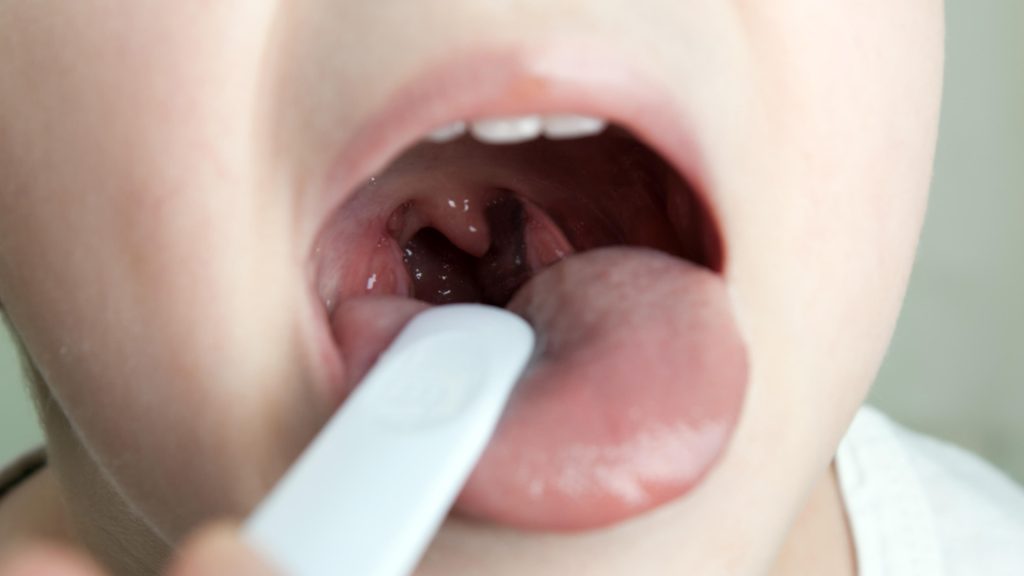
Tonsillitis is common in children but can affect people of any age. Therefore, if you begin experiencing pain while swallowing, bad breath, swollen tonsils, ear pain, fever, sore throat, or hoarse voice, you are encouraged to seek medical help. Irrespective of the cause of your tonsils, you are expected to practice home remedies to provide symptomatic relief by soothing the throat. Suppose you or your kid is experiencing any of the above symptoms of Tonsils Harvey; understanding ways of dealing with your symptoms is essential. In most cases, there is a difference in managing tonsillitis caused by viruses or bacteria. To learn various ways of managing tonsillitis, read on.

  • Consuming plenty of warm fluids

A lot of warm liquids, such as tea, soup, and broth, help soothe your sore throat. You can also drink herbal teas that contain pectin, honey, or glycerin to help soothe the throat irritation you might be experiencing because these ingredients form a protective film over the mucus membranes of your throat and mouth.

  • Eating cold foods

Eating soft and cold foods like ice cream or yoghurt can help numb your pain, providing temporary pain relief. You can also benefit from drinking chilled smoothies, sucking popsicles, and sipping ice-cold water. Other foods you can try are hard candies or chewing gums that have menthol or mint. Both mint and menthol have a cooling and numbing effect on your throat.

  • Gargling with salty water

Gargling your mouth with salty water soothes the pain you might be experiencing at the back of your mouth. You can make a saltwater mixture with eight ounces of warm water with a teaspoon of salt and stir to ensure the salt dissolves. You can gargle the back of the mouth with the water for a few seconds before spitting it out. You are advised to repeat the process as often as possible and avoid swallowing the salt solution. Usually, gargling is not recommended for young children because the high risk of them inhaling and being choked by the mixture is high.

  • Antibiotics

In most cases, your doctor may prescribe antibiotics when the cause of your tonsils is a bacterial infection. However, if the cause is viral, no antibiotics are given, and all you are encouraged to do is adhere to some home remedies to provide symptomatic relief. The disease will eventually go on its own. Usually, oral penicillin for ten days is prescribed to treat tonsillitis caused by group A streptococcus. However, an alternative antibiotic may be recommended if your kid is allergic to penicillin. You or your child should ensure that they take all the antibiotics given, even if the symptoms go away. Failure to complete the antibiotics may lead to the spread of infection to other body parts. It may increase the chances of your kid suffering from serious kidney inflammation or rheumatic fever. Failure to complete antibiotics might also lead to drug resistance.

Besides the above strategies, you can also increase indoor humidity, avoid straining your voice, take over-the-counter painkillers, and get enough rest. Therefore, if you or your kid is experiencing tonsillitis symptoms and seeking relief, you can schedule your appointment at ENT of New Orleans today for quality care.