Author

Paul Lewis

Browsing

Science has evolved exceptionally over the past decades with the help of technology. Today, you can obtain healthcare facilities in the comfort of your homes. Telehealth is bridging the gap between geographical obstacles for people who are deprived of these services, especially the ones living in remote areas. 

Ewing telehealth is a valuable resource to people since it provides primary care, lab tests, and treatment for acute medical conditions. 

Concept of Telehealth

Telehealth or telemedicine refers to the use of digital information and communication technologies to access healthcare services in remote areas to manage your health and well-being. Technology can include computers, and mobile devices such as smartphones, and tablets.

Telehealth includes live video conferencing, mobile health apps, save and forward electronic transmission, and remote patient monitoring (RPM). 

Benefits of telehealth

Telehealth offers comprehensive health care with the following benefits:

  • You do not have to travel far while you are sick just to visit your doctor. 
  • You can visit your provider from the comfort of your home.
  • It prevents the spread of contagious infections since you do not expose anyone.
  • Doctors can better assess your condition through your home environment.
  • You can easily access telehealth services from your smartphone, thus it is very convenient. 
  • It saves you time from your busy work schedules, and for mothers who do not have to arrange for child care. 

Services provided by telehealth

Telehealth offers a variety of services, including:

  • Detecting acute medical conditions (flu), and injuries (sprains, fractures)
  • Evaluate lab tests and X-ray reports
  • Provide health and psychological counseling
  • Provide prescription refills
  • Offer excellent strategies to manage certain conditions like blood sugar levels, and blood pressure
  • Make referrals to medical specialists for further course of action 

Things to expect during a telehealth consultation

During your virtual consultation, your doctor will evaluate your medical and family history, and assess your symptoms mentioned previously in the app. 

Your doctor will conduct a virtual examination through video conferencing to assess the symptoms more precisely. 

Furthermore, if required you will be advised to come in person for complex medical conditions to undergo diagnostic tests to understand the situation better. You may be referred to medical specialists for further evaluation and treatment (for chronic and complex health issues). 

For mild and acute medical issues you will be provided with the necessary E-prescription. 

Bottom line

Telehealth is successful in providing healthcare even to the remotest places where people can access health services from any part of the world. Thus enhancing your physical, and mental well-being. 

The human body must be continuously maintained, so it can stay strong. As you age, the more you must pay attention to your body if you want to stay healthy. While your body maintains itself constantly by creating new cells to replace the old ones, its ability to make new cells decreases as you get older. This results in increased vulnerability and susceptibility to injuries. 

This can particularly happen in your muscles and joints as they tend to get the majority of wear and tear from daily activity. To maintain optimal health and strength later in life, you should schedule a visit with an orthopedic doctor like dr. timothy kavanaugh. Keep reading to know why you should see this doctor as you age:

Age Causes Changes in Bone Tissue

As you age, your bone tissues lose density and may not be able to rebuild themselves as effectively as before. Also, age causes these tissues to lose the minerals your bones need to stay strong. As a result, your bones become brittle and prone to fracture, increasing your risk of falls and severe injuries. 

Orthopedic doctors can recommend helpful exercises and supplements, educate you about nutrition, and prescribe medications to support the ability of your body to retain calcium. Also, your body needs vitamin D for proper calcium absorption. 

You Can Undergo Joint Changes as You Get Older

Your joints have soft cartilage tissues that give cushion between your bones whenever you move. If the cartilage is worn down in your joint following years of movement, you can suffer from osteoarthritis. Also, osteoarthritis can be suffered by young athletes following repetitive joint motions. 

Mitigating the pain, stiffness, and swelling of arthritis involves the administration of pain-relief injection treatment into the joint. For advanced or debilitating arthritis, a joint replacement may be the best option. This procedure gets rid of the damaged tissues and structures in the joint and uses prosthetic materials to replace them. These materials work like the original joint. 

Age Can Leave You Dealing with Muscle Changes

As you get older your muscle fibers will not be as elastic and strong as they were before. Also, your muscles can lose tone and may not contract properly anymore due to neurological changes. Your orthopedic doctor can keep your muscles strong by creating a personalized treatment plan and letting you perform some targeted exercises. Your body is unique, so you cannot depend on generic solutions. You must visit an orthopedic doctor because they know what exactly must be done to keep your body strong and healthy as you age.  

Trying to lose weight can be exhausting and frustrating, especially if you don’t achieve the weight that you desire regardless of your efforts. Although you may initially lose weight, you may not be able to maintain it.  If diet and exercise are not enough to help you get your ideal shape, you may want to consider transformed medical weight loss solutions

These days, weight loss injections have become more and popular for people who desperately want to shed unwanted pounds. Aside from helping you lose weight they also help improve your health. Keep reading to better understand how these weight loss medications work:

How Weight Loss Injections Work

Weight loss injections provide a lot of benefits to those who are struggling with weight loss and management. They reduce persistent cravings and minimize hunger cravings. As the medication tames such food cravings, they empower the user to follow a healthy diet, boosting their chances of weight loss success. Doctors will determine if these medications are a great solution for you. 

Benefits of Weight Loss Injections

These medications are quite beneficial for people who find it hard to maintain a healthy weight. Some of them can contain semaglutide, which improves insulin sensitivity, helping your body use insulin more efficiently. And lowering your blood glucose levels. 

Moreover, weight loss injections deliver long-lasting results. As you get guidance from a medical expert, you may be able to lose weight and gain knowledge and skill for maintaining healthy progress. By training you to recognize and control cravings, the medications offer a sustainable way to manage your weight. 

How are They Used?

Often, weight loss injections are prescribed together with other methods like making diet and lifestyle changes. They can be a part of a holistic weight management approach, helping you achieve sustainable weight loss. 

Injection Administration

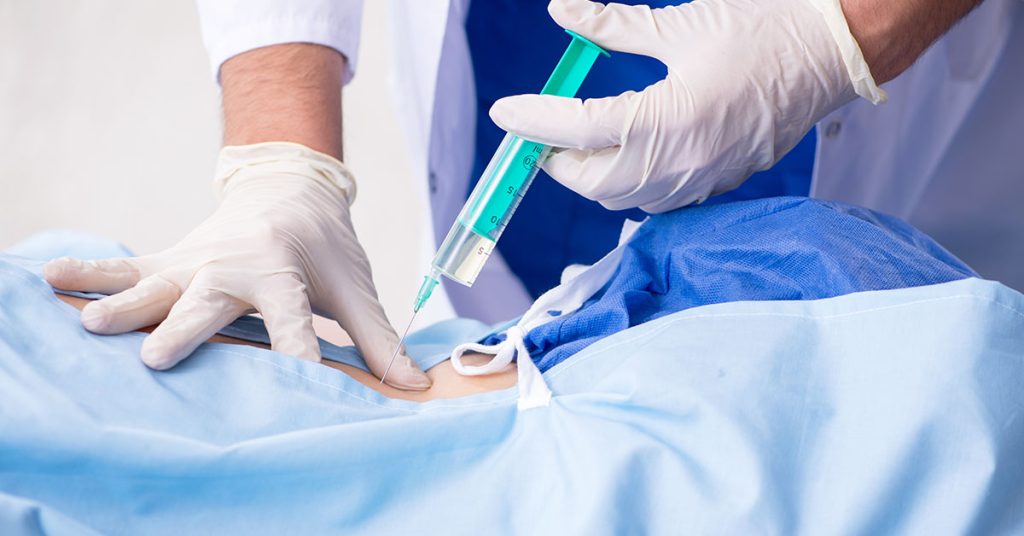
Before your treatment, your doctor will discuss with you how to administer it. You must understand your doctor’s instructions and how to use the medication before you start the treatment. You will have to administer the injections yourself once every week. Every pre-filled injection pen contains medication and single-used needles you must dispose of after use. Your doctor will tell you to administer the injection under your skin, preferably into your waist, your upper arm, or your thigh. 

The amount of weight you can expect to lose when you use weight loss injections depends on many factors. These include your age, metabolic rate, and current weight. But those who have tried them reported losing several pounds of weight within their first few weeks of administration. 

Accidents often occur at home, school, or the workplace. You can address the pain and swelling for most of the resulting injuries using at-home remedies. However, you should consider visiting the Waxahachie Trinity Salem family health clinic if you notice worsening symptoms. Here’s what you need to know about minor injuries.

What are minor injuries? 

Minor injuries may vary in severity depending on the trauma or environment. Alleviating symptoms may involve cleaning and dressing the site.

But more intensive interventions are necessary for severe cases. Wounds caused by chemicals may appear benign, but they could have far-reaching implications. Identifying severe or worsening conditions is critical for minimizing health risks.

Burns and scalds

You can treat minor burns by running cold water on the affected site. Avoid using freezing water as it may damage soft tissues. A doctor should examine cases of severe scalding to avoid infections and health complications.

Avoid using ointments or remedies on the scalded area. The oil can raise temperatures around the wound and promote inflammation.

Consider consulting a medical specialist if you notice redness, swelling, or pain hours after the burn incident. Pay attention to signs of shock, numbness, or tingling in the injured area. It is also advisable to visit your doctor if the burn is caused by electric shock or chemicals. 

Other factors that may require a medical assessment include:

  • Discoloration or white patches on the affected site
  • The burn causes breathing difficulties
  •  The injured person has diabetes
  • The burn is on the head, genitals, or face

Cuts and abrasions

Cuts and abrasions are common minor injuries that may vary in severity. You can treat mild to moderate cuts and abrasions by cleaning the wound and applying pressure. Wrap a cloth around the area and keep it tight for five minutes.

If the pressure does not stop the bleeding, repeat the process. Consult a doctor if the bleeding persists after the second attempt.

Consult your doctor if you experience the following:

  • If you notice a fever
  • Swelling worsens after cleaning and dressing the wound
  • If the cut exposes the underlying bone
  • If you have had tetanus in the last five years
  • Numbness or the lack of sensation around the wound

Strains and sprains

A sprain occurs when ligaments are stretched and torn by trauma or joint misalignment. Ankle sprains are the most common type of strain, but the condition can affect other areas. It may cause redness, bruising, swelling, and loss of mobility.

You can relieve swelling and pain by applying a cold pack. Exercise can strengthen muscles and tendons to minimize the risk of a sprain.

However, avoid applying pressure on the affected area as it is critical for faster recovery. Raising the foot or wrist can promote circulation and facilitate healing.

Consider seeking medical help if you experience:

  • Redness and swelling around the affected bones
  • Numbness or worsening pain in the affected limb
  • The area is unusually cold to the touch
  • The foot cannot tolerate any pressure from your body

To schedule a minor injury consultation, contact Trinity Salem Family Health Clinic or book an appointment online today.