
Author

Paul Lewis

Browsing

There is something truly magical about the humble apple. From the sweet crunch of a Honeycrisp to the tangy juiciness of a Granny Smith, there is a variety to suit every taste bud. And yet, perhaps the most magical thing about apples is their versatility. They can be used in everything from pies to salads, and now, thanks to the magic of Freeze dried apples, they can even be enjoyed as a healthy, crunchy snack.

So, what exactly is freeze-drying, and why is it so special? Essentially, it’s a process by which the water is removed from a food item through sublimation, a process where water changes directly from a solid (ice) to a gas without passing through a liquid state. This leaves behind a crunchy, nutrient-dense product that can be enjoyed on its own or added to a variety of recipes.

When it comes to apples, freeze-drying is a game-changer. Not only does it preserve the natural sweetness and tartness of the fruit, but it also locks in the nutrients. In fact, freeze-dried apples are often considered even healthier than their fresh counterparts, as they’re lower in calories and higher in fiber.

But perhaps the best thing about freeze-dried apples is their convenience. Unlike fresh apples, which can go bad within days or weeks, freeze-dried apples have a shelf life of up to 25 years. This makes them the perfect snack to keep on hand for when hunger strikes, whether you’re hitting the trails or simply want a healthy snack to munch on at work.

But freeze-dried apples aren’t just a healthy snack. They’re also a versatile ingredient that can be used in a variety of dishes. For example, you can sprinkle them on top of your oatmeal or yogurt for a crunchy, sweet boost. They can also be blended into smoothies or used as a flavorful topping for ice cream.

If you’re feeling more adventurous, you can even use freeze-dried apples to make your own apple crisps or crumble. Simply rehydrate them by soaking them in water for a few minutes, then mix them with some oats, cinnamon, and sugar before baking in the oven until golden and bubbly.

Conclusion: In conclusion, there are few foods as magical and versatile as the apple, and freeze-drying only enhances its appeal. Whether you’re looking for a healthy snack to keep on hand, or a versatile ingredient to incorporate into your favorite recipes, freeze-dried apples are a must-try. So the next time you’re craving something both sweet and healthy, reach for a bag of freeze-dried apples and discover the magic for yourself.

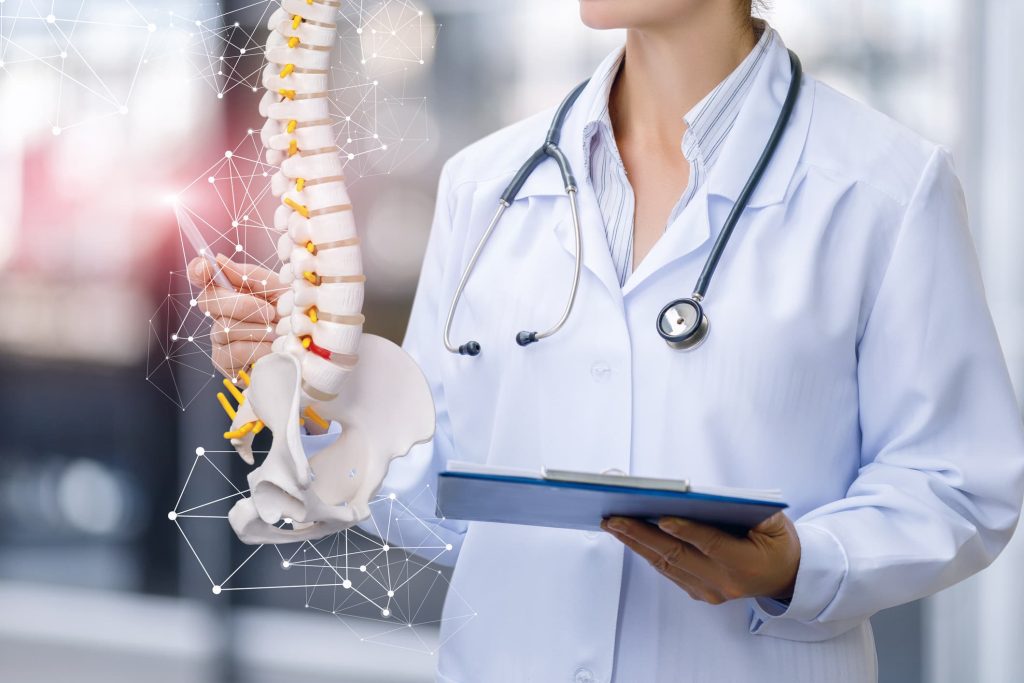
Back pain caused due to spinal stenosis can affect our daily activities. The excruciating pain leaves us with no choice but to go for spinal surgery to get relief. However, you may try spinal cord stimulation therapy, the latest non-surgical treatment for back pain relief which is also available in Texas clinics. This therapy involves interrupting the pain signals to the brain due to which the patient does not experience their usual pain symptoms. 

If you are looking for the best non-surgical stimulator therapy for spinal stenosis Mesquite, visit OmniSpine Pain Management Clinics. The best part is that their specialist Dr. Morchower offers a trial of the stimulation device for 3-5 days to the patient before proceeding with the actual procedure of implanting the stimulator in the spine. 

Call them or book an online appointment to meet their specialists either in their Frisco or Mesquite centers for more information on spinal cord stimulation therapy.

What is spinal stenosis?

Spinal stenosis occurs when the space inside the backbone is too narrow. It is caused due to wear and tear in the spine. This generates pain usually in the neck and the lower back which is felt when you stand or walk for long creating pressure on the nerves and the spinal cord.

People with chronic spinal stenosis may experience symptoms that can become worse with time like pain, numbness, tingling sensation, and muscle weakness. 

What is spinal cord stimulation therapy?

People suffering from chronic pain who have also tried initial treatments but did not get any relief can try spinal cord stimulation therapy. It is also effective for those who are experiencing spinal pain even after going through surgical treatment of the lower back or neck. 

This non-surgical procedure involves placing a small gadget with electrodes on the spinal cord that deliver electrical impulses. These electrical impulse blocks the nerves and the pain signals are not carried to the brain. 

Reduce your lower back or spinal pain with spinal cord stimulation therapy as it allows you to carry out daily activities with less pain and medication. Visit a good Texas clinic with centers in Frisco and Mesquite for more information on this latest technique. 

Some of them also offer a 3-5 days trial of the stimulation therapy before proceeding with implanting the stimulator device. If you find that the stimulation therapy does not work for you then you may not proceed with the actual treatment.

Even while it can appear that weight growth is inevitable after you reach your forties, this is not always true. You could suffer menopausal symptoms like night sweats, hot flashes, and mood swings as a result of natural hormonal changes, but you should not fatalistically believe that this will also result in an abrupt rise in weight. Contact portland femforward health to control obesity and maintain a lifestyle after menopause.

What causes obesity in women when they approach menopause

Women are more vulnerable to gaining weight around their abdomens than the thighs and hips because of the hormonal changes linked to menopause. However, only hormonal changes might not be blamed for the weight gain. Instead, aging, as well as dietary and genetic variables, are usually involved.

For example, while fat grows with aging, muscle mass normally declines. When muscular mass decreases, the body burns calories less quickly. It is known as metabolism. Keeping a healthy weight may become more challenging as a result of this process. You will likely gain weight if you continue to consume the same things you always consume or fail to increase your physical activity.

Most of us become lazy as we become older. Exercising more while keeping track of your physical activity may help you retain a healthy weight. The genetics of weight increase after menopause might be a factor. If one of your parents or relatives has abdominal obesity, you are likely to develop it as well.

How dangerous is this weight gain?

Gaining weight while experiencing menopause might be damaging to your health. Being overweight increases the probability of developing a wide range of health issues, especially those that affect your abdominal, such as:

  • Breathing difficulties.
  • Blood vessels and heart disease.
  • Type 2 Diabetes.

Furthermore, having extra weight increases your likelihood of developing certain cancers, such as breast, colon, and endometrial cancer.

What can you do to avoid gaining weight during menopause?

Menopause weight gain cannot be prevented or reversed by any miraculous method. But following a strict diet regimen could prove beneficial:

  • Increase your movement. You may be able to shed additional weight and maintain a healthy weight with workouts, including cardiovascular activity and strength training.
  • Eat less. You might need 200 fewer calories each day in your 50s than in your 30s and 40s to maintain weight. Even fewer calories might have to be consumed in order to lose weight.
  • Control your sweet habit. The typical American diet consumes nearly 300 calories every day from added sugars. These calories primarily come from sugar-sweetened beverages such as soft drinks, energy drinks, flavored waters, and sugary coffee and tea, accounting for around half the total.

Our bodies can perform amazing feats of strength, endurance, and agility. They are, nevertheless, susceptible to wear and strain. The muscles and joints can become damaged, injured, or strained over time. Regenerative medicine provides a novel approach to treating musculoskeletal injuries and disorders. Consult a professional today to get more information on irving tx regenerative medicine

What is stem cell therapy? 

Stem cell therapies have grown in popularity because of their excellent efficacy and up to 80% success rates. It is a contemporary form of regenerative medicine employing a distinct biological component called stem cells. Chronic illnesses, musculoskeletal injuries, and even heart and lung ailments are some of the most popular uses for this treatment. New research is constantly being published that investigates and supports the efficacy of this therapy.

What distinguishes it from standard transplants or surgical procedures? This regenerative therapy is not the same as an organ transplant, in which a donor provides a new organ that must be integrated into the body. The procedure is minimally invasive and has little to no risk of physical rejection. Stem cells are simply injected into infected areas. They allow the body’s inherent healing ability to renew and make new, healthy cells to replace damaged or injured ones.

How do stem cells function? 

Stem cells are biological components that arise spontaneously. They divide and multiply like other cells to generate new tissues and organs. However, after birth, most cells can only generate new copies of themselves. Hair cells, for example, will only duplicate more hair; these cells cannot generate lung cells or muscular tissue.

Specific cells, such as those that make up the heart muscle, are only created at birth and cannot be replicated again. As a result, heart disorders are frequently severe because no new cardiac muscles can replace destroyed or diseased cells. Heart cells may be able to renew or enhance their function with the assistance of stem cell therapy.

Why stem cells are remarkable

Unlike the majority of human cells after childbirth, stem cells can develop into any kind of cell in the body. When a child develops in the womb of a mother, stem cells proliferate and divide to become different types of cells. Stem cells may divide and expand to form brain cells, heart cells, skin cells, and anything else required to form a human newborn. Unfortunately, neither the infant nor the mother produces these cells after delivery. Because of this, they must be collected or preserved in a medical institution for future use.