Author

Paul Lewis

Browsing

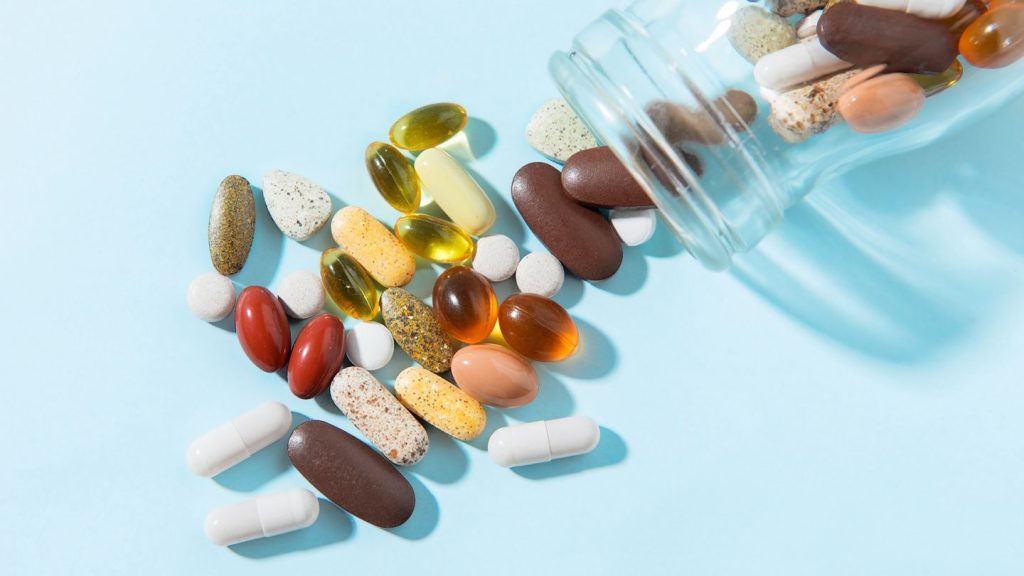
Health supplements have become increasingly popular in recent years as people seek to improve their overall health and well-being. These supplements can come in the form of pills, powders, liquids, or other forms, and are designed to provide a range of nutrients that may not be present in our regular diet.

However, with so many different types of health supplements available, it can be difficult to determine which ones are right for you.

In this ultimate guide, we’ll take a closer look at health supplements and provide you with everything you need to know to choose the right ones to suit your needs.

Why Do We Need Health Supplements?

Before diving into the guide, it’s important to understand why health supplements can be beneficial. While a healthy, balanced diet is the best way to obtain all the necessary nutrients, vitamins, and minerals our body needs, sometimes we may not be able to get enough of these essential elements through our food alone. This could be due to dietary restrictions, certain health conditions, or even lifestyle factors.

Health supplements are designed to fill in these nutritional gaps and ensure that our bodies have everything they need to function at their best. They can provide a range of benefits, including boosting our immune system, improving our energy levels, and supporting overall health and wellness.

Types of Health Supplements

There are a wide range of health supplements available on the market today, each designed to target specific health concerns or needs. Here are some of the most common types of health supplements:

  1. Multivitamins

These supplements contain a blend of essential vitamins and minerals, providing a convenient way to ensure you’re getting all the nutrients your body needs.

  1. Omega-3 fatty acids

These supplements are typically derived from fish oil and can provide a range of benefits, including supporting heart health and reducing inflammation.

  1. Probiotics

These supplements contain beneficial bacteria that can help support gut health and improve digestion.

  1. Vitamin D

This vitamin is essential for maintaining strong bones and supporting the immune system. Many people don’t get enough vitamin D through their diet alone, making supplementation necessary.

  1. Protein powders

These supplements are often used by athletes or those looking to build muscle mass. They can be made from a range of sources, including whey, soy, or pea protein.

  1. Herbal supplements

These supplements can be made from a range of plants and herbs and are designed to provide a range of health benefits, from reducing stress and anxiety to boosting energy levels. Five Ele is a leading herbal supplement store in Malaysia serving products to target all kinds of health issues.

Choosing the Right Health Supplements

Now that you have a better understanding of the types of health supplements available, it’s time to choose the right ones to suit your needs. Here are some key factors to consider:

  1. Your Health Goals

Before choosing a health supplement, it’s important to consider what you hope to achieve. Are you looking to boost your energy levels, improve your immune system, or support your digestive health? Once you have a clear goal in mind, you can choose a supplement that is specifically designed to meet those needs.

  1. Quality and Purity

When choosing a health supplement, it’s important to look for one that is high quality and free from harmful additives or contaminants. Look for supplements that have been third-party tested and certified to ensure purity and potency.

  1. Form and Dosage

Health supplements come in a range of forms, including pills, powders, liquids, and gummies. Consider what form will be most convenient for you to take and make sure to follow the recommended dosage instructions.

  1. Ingredients

Finally, make sure to carefully review the ingredients list of any health supplement you are considering. Look for supplements that contain high-quality, natural ingredients that are backed by scientific research. Avoid supplements that contain unnecessary fillers, artificial colors or flavors, and other potentially harmful additives.

In conclusion, choosing the right health supplements can be a daunting task, but with a little research and careful consideration, you can find the ones that will provide the most benefit for your health and well-being. Remember to set clear health goals, look for high-quality and pure supplements, consider form and dosage, and review ingredients before making your selection. With the right health supplements, you can support your body’s natural processes and achieve optimal health and wellness.

Dental crowns are a common restorative solution for damaged, decayed, or discolored teeth. Traditional dental crowns, made of porcelain or metal alloys, have been the go-to choice for dentists for many years. However, with the advent of new materials and techniques, zirconia dental crowns have emerged as a popular alternative to traditional dental restorations.

This blog post will explore the advantages of zirconia dental crowns and their importance in modern dentistry. We will also discuss the role of dental labs in manufacturing zirconia dental crowns, and their availability in New York City.

Advantages of zirconia dental crowns over traditional dental crowns

Zirconia dental crowns offer several advantages over traditional dental crowns, including:

  • Aesthetics: Zirconia dental crowns are known for their natural-looking appearance. Unlike traditional dental crowns, which can appear opaque or metallic, zirconia dental crowns blend in seamlessly with the natural teeth. This makes them an ideal choice for patients who want a restoration that looks and feels like their own teeth.
  • Strength and durability: Zirconia dental crowns are incredibly durable and strong, making them an ideal choice for patients who need a restoration that can resist the wear and tear of daily use. Zirconia is also resistant to chipping and cracking, which means that the restoration can last for many years with proper care.
  • Biocompatibility: Zirconia is a biocompatible material, which means that it is safe to use in the human body. This makes zirconia dental crowns an ideal choice for patients who are sensitive to other materials, such as metal alloys.
  • Cost-effectiveness: While zirconia dental crowns may be more expensive than traditional dental crowns, they offer excellent value for money in the long run. Zirconia dental crowns are known for their longevity, which means that patients may not need to replace them as frequently as they would traditional dental crowns.
  • Less tooth removal: Zirconia dental crowns require less tooth removal compared to traditional crowns, which is a major advantage for patients. This is because zirconia is a strong material, allowing for thinner crowns to be made, which means that more of the natural tooth structure can be preserved.
  • No metal substructure: Traditional dental crowns often have a metal substructure, which can cause a gray line to appear at the gum line over time. Zirconia dental crowns, on the other hand, are made entirely of zirconia, which means that there is no metal substructure and no risk of a gray line appearing. This can help to ensure a more natural-looking restoration that blends with the surrounding teeth seemlessly.

Zirconia dental crowns and dental labs

Dental labs play a crucial role in the manufacturing of zirconia dental crowns. Dental labs NYC uses advanced technology to create custom-made dental restorations that are tailored to the individual patient’s needs. This ensures that the restoration fits perfectly and looks natural.

In New York City, many dental labs specialize in the manufacturing of zirconia dental crowns. These labs work closely with dentists to create restorations that meet the patient’s needs and preferences. Using a dental lab near me can also help to reduce the turnaround time for the restoration, as the lab is located in close proximity to the dentist’s office.

Benefits of using dental labs near me

Using a dental lab near me offers several benefits for both dentists and patients. For dentists, using a local dental lab can help to streamline the restoration process, as they can work closely with the lab to ensure that the restoration is manufactured to their specifications. This can also help in reducing the risk of errors or miscommunications, as the dentist and lab are located in close proximity to each other.

For patients, using a local dental lab can help to reduce the time and costs associated with traveling to a distant location for restoration services. Patients can also benefit from the personalized attention and care provided by a local dental lab, as they can work closely with the lab to ensure that their restoration meets their individual needs and preferences.

Conclusion

Zirconia dental crowns offer an attractive alternative to traditional dental restorations, with their natural-looking appearance, strength and durability, biocompatibility, and cost-effectiveness. The use of dental labs in the manufacturing of zirconia dental crowns is also an important consideration, as it ensures that the restoration is tailored to the individual patient’s preferences and needs. In New York City, there are many dental labs that specialize in the manufacturing of zirconia dental crowns, providing dentists and patients with access to high-quality restoration services. So, if you’re in need of “dental crown labs near me” services, be sure to consider the benefits of using a local dental lab near you.

Endometriosis is a chronic and painful condition characterized by the growth of endometrial tissue outside of the uterus. This condition can cause severe pain and discomfort during menstruation, sexual intercourse, and bowel movements, among other symptoms. However, the most significant impact of endometriosis is its association with infertility. Studies have shown that women with Hoboken endometriosis are more likely to experience difficulties getting pregnant than those without the condition.

There are several causes of endometriosis, including:

  • Retrograde menstruation: One of the most widely accepted theories is that endometriosis occurs when menstrual blood containing endometrial cells flows back through the fallopian tubes and into the pelvic cavity, where it can implant and grow.
  • Genetics: Endometriosis tends to run in families, suggesting that there may be a genetic component to the condition.
  • Immune system dysfunction: A malfunctioning immune system may allow endometrial tissue to implant and grow outside of the uterus.
  • Environmental factors: Exposure to toxins or chemicals, such as dioxins, has been linked to an increased risk of endometriosis.

Ways Endometriosis cause infertility

Here are some of the ways you should know:

  • The growth of endometrial tissue outside of the uterus can lead to adhesions or scar tissue formation. Adhesions can cause the fallopian tubes to become blocked or distorted, making it difficult or impossible for the egg to travel from the ovary to the uterus. In some cases, adhesions can also cause the ovaries to become stuck to other organs, preventing the release of the egg altogether.
  • Endometriosis can affect the quality of the eggs produced by the ovaries. Endometrial tissue outside of the uterus can lead to inflammation and oxidative stress, damaging the eggs and reducing their ability to fertilize properly.
  •  Endometriosis can affect the ability of the uterus to support a pregnancy. Endometrial tissue that grows outside of the uterus can cause inflammation and scarring in the uterus, which can affect the implantation of the fertilized egg. Endometrial tissue can also cause hormonal imbalances that affect the thickening of the uterine lining, making it less receptive to implantation.

Before you are diagnosed with endometriosis, your doctor will typically begin by conducting a medical history and physical examination. During the physical examination, your doctor may check for any abnormalities, such as tender nodules or masses in the pelvic region. Your doctor may also recommend imaging tests, such as an ultrasound or MRI, to check for any signs of endometriosis.

Once you are diagnosed with endometriosis, your doctor may recommend one or more of the following treatment options, depending on the severity of your symptoms and the extent of your endometriosis:

  • Pain medication: Your doctor may recommend over-the-counter pain medication such as ibuprofen or acetaminophen to help manage your pain.
  • Hormonal therapy: Hormonal therapy, such as birth control pills, can help reduce the severity of endometriosis symptoms by regulating hormone levels and reducing the growth of endometrial tissue.
  • Surgery: In more severe cases, surgery may be needed to remove endometrial tissue growths, cysts, or scar tissue. This procedure is called laparoscopic surgery.
  • Pain management techniques: Your doctor may recommend alternative pain management techniques, such as acupuncture, massage therapy, or yoga, to help manage your symptoms.

Visit University Reproductive Associates and speak to your infertility expert if you have endometriosis.

Introduction

In vitro fertilization (IVF) is a fertility treatment that has helped countless couples achieve their dreams of starting a family. However, the increasing prevalence of overweight women seeking IVF treatment has raised questions about the safety and efficacy of this procedure for this population.

This blog will discuss the risks associated with IVF treatment for overweight women, and how Egg Donation Centre in Noida and the best IVF doctor in Noida can help manage these risks.

The Impact of Being Overweight on IVF Treatment

Being overweight may have a negative impact on fertility and pregnancy outcomes, and this is particularly true for women undergoing IVF treatment. Overweight women have a higher likelihood of experiencing negative effects on ovarian function, increased risk of complications during pregnancy, and a lower success rate for fertility treatment.

The Risks of IVF Treatment for Overweight Women

In addition to the impact on fertility, overweight women undergoing IVF treatment are also at a higher risk for developing ovarian hyperstimulation syndrome (OHSS), miscarriage, and gestational diabetes.

OHSS is a potentially life-threatening condition that can occur when the ovaries are overstimulated during IVF treatment. Symptoms include abdominal pain, nausea, and vomiting. Overweight women are at an increased risk for developing OHSS due to the higher doses of medications needed for ovarian stimulation.

Higher rates of miscarriage have also been observed in overweight women undergoing IVF treatment, likely due to the impact of weight on hormonal balance and inflammation in the body. Additionally, overweight women have a higher risk of developing gestational diabetes during pregnancy, which can lead to a range of complications for both mother and baby.

Ways to Mitigate the Risks of IVF Treatment for Overweight Women

While being overweight can increase the risks associated with IVF treatment, there are steps that can be taken to mitigate these risks. Losing weight prior to treatment can improve fertility outcomes and reduce the risk of complications during pregnancy. Utilizing natural cycle IVF or mild stimulation IVF can also be effective in reducing the risks associated with traditional IVF treatments, as they involve less medication and are gentler on the body. Additionally, individualized treatment plans based on a patient’s BMI can help manage the risks of IVF treatment for overweight women.

The Role of Egg Donation Centre in Noida in Managing the Risk of IVF for Overweight Women

Egg Donation Centre in Noida is a premier fertility center that is dedicated to providing safe and effective fertility treatments to patients. They specialize in a range of fertility treatments, including IVF, and have a team of experienced fertility specialists who are dedicated to helping patients achieve their dreams of starting a family.

At Egg Donation Centre in Noida, overweight women who are considering IVF treatment will have access to experienced IVF specialists who can provide individualized treatment plans based on their BMI. Additionally, the center offers state-of-the-art facilities and equipment, which can help ensure the safety and effectiveness of the treatment.

The center also provides comprehensive pre- and post-treatment care to help manage the risks associated with IVF treatment for overweight women. This includes monitoring for OHSS and other complications, as well as providing guidance to patients throughout the treatment process.

The Importance of Choosing the Best IVF Doctor in Noida for Overweight Women

Choosing the right IVF doctor is crucial for overweight women undergoing fertility treatment. The best IVF doctor in Noida should have extensive experience and expertise in treating overweight patients, and should have a personalized treatment approach that takes into account the patient’s BMI and other factors that may impact fertility outcomes.

Additionally, the best IVF doctor in Noida should be empathetic and provide supportive care to patients throughout the treatment process. This can help reduce anxiety and stress, which can have a negative impact on fertility outcomes.

Conclusion

In conclusion, being overweight can increase the risks associated with IVF treatment, but there are steps that can be taken to reduce these risks. Losing weight prior to treatment, utilizing natural cycle IVF or mild stimulation IVF, and individualized treatment plans based on a patient’s BMI can all help manage the risks associated with IVF treatment for overweight women.

Choosing a premier fertility center like Egg Donation Centre in Noida and the best IVF doctor in Noida can also help ensure the safety and effectiveness of the treatment. These experts can provide comprehensive pre- and post-treatment care, as well as personalized treatment plans and supportive care throughout the process. With the right care and guidance, overweight women can have a successful and safe IVF treatment and achieve their dreams of starting a family.