
Category

Dental Care

Category

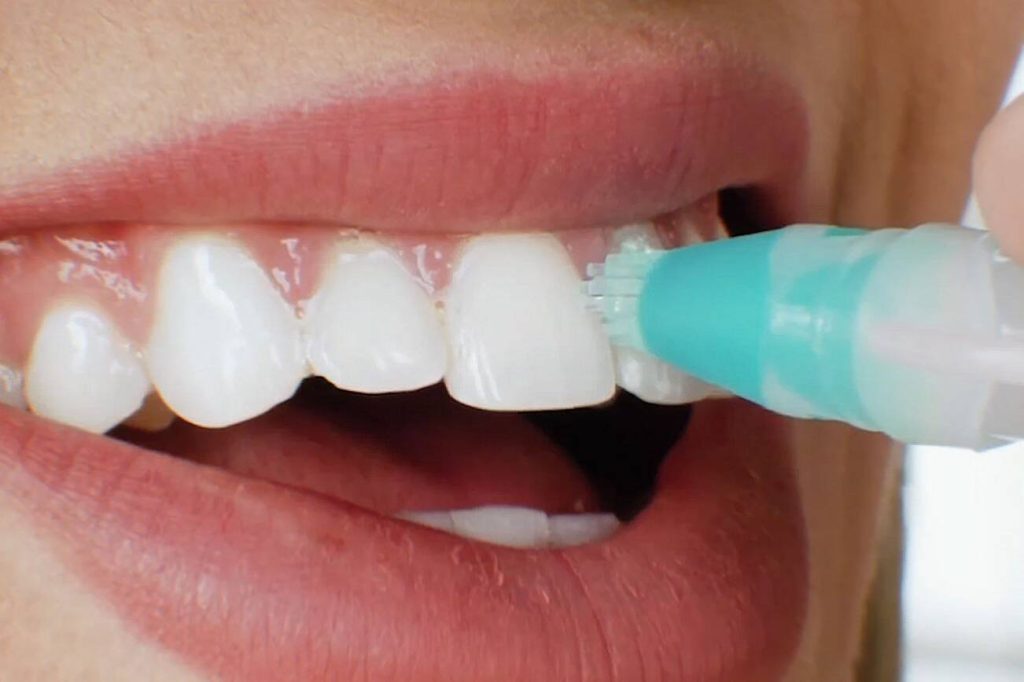
Achieving a brighter smile has never been easier; there is a wide range of whitening or bleaching products that you can use to brighten your smile. At-home systems like rinses, toothpaste, and gels can help whiten your teeth, but they are often less effective than professional teeth whitening. Consider in-office teeth whitening Emerson for faster and optimal results; this system uses a much stronger bleaching solution than home kits. But if you decide to whiten your teeth at home, talk to your dentist, especially if you have sensitive teeth, dental restorations, dark stains, and lots of filings. Below are some of the whiteners that your dentist may recommend.

Whitening rinses

Whitening rinses are among the newest whitening products available and like most mouthwashes, they freshen your breath and reduce dental plaque and your risk of gum disease. However, unlike your regular mouthwash, whitening rinses contain additional ingredients like hydrogen peroxide, which whitens teeth. Before brushing your teeth, you swish the rinse in your mouth for one minute. Manufacturers say that it may take at least 12 weeks for you to notice some change. For faster and more reliable results, a professional dentist in Southside Place, TX can provide advanced whitening treatments tailored to your needs.

However, rinses may not be as effective as other over-the-counter whitening products since it is only in contact with the teeth for a short time. As mentioned above, you swish the rinse in your mouth for only two minutes; this limited time makes the product less effective. Some people rinse first and then brush their teeth with whitening toothpaste to increase the effectiveness of the mouthwash.

Tray-based teeth whiteners

You can purchase tray-based tooth whitening systems from a dentist or over the counter. This system comprises a mouth guard-like tray and whitening gel with a peroxide-bleaching agent. You wear the tray for a couple of hours a day and at night for at least four weeks. You may need to use the trays for longer, depending on the degree of discoloration and desired level of whitening. Tray-based tooth whitening systems are usually available in most pharmacies or drugstores.

Whitening toothpaste

All toothpaste contains mild abrasives and may therefore remove surface-level stains. But whitening toothpaste has gentle polishing or chemical agents that provide additional stain removal effectiveness. They do not contain bleach and can whiten your natural tooth color by about one shade. On the other hand, prescription strength whitening performed by your dentist can make your teeth three to eight shades whiter.

When whitening teeth at home, it is vital to follow the instructions to avoid undesirable side effects. For example, you should not leave strips or gels on longer than the directions recommend. Doing so sets you up for problems like sore gums. Also, you want to avoid acidic beverages like soda and sports drinks for a couple of hours after using whitening products.

Teeth bleaching can make your teeth temporarily sensitive; the procedure can also be uncomfortable or painful for sensitive teeth. Also, teeth whitening works best for people with yellow stains and is less effective for brown teeth. For these reasons, it is worth your time and money to consult your dentist before using an over-the-counter whitening kit.

You have no reason to walk around with stained teeth. Request an appointment with your dentist at Emerson Dental Arts for teeth whitening to improve the integrity of your smile.

Crowns and Bridges Boynton Beach are just one of the many dental services that are often misunderstood. There are a lot of dental myths out there that can cause people to make decisions that aren’t in their best interest. Below are 5 common dental myths debunked.

Myth #1: You Only Need to Go to the Dentist if You Have a Problem

This is not true. Regular dental check-ups are important for maintaining good oral health. Your dentist can identify problems early on before they become more serious and costly to fix. Plus, they can perform preventative treatments to keep your teeth healthy. Visiting an experienced dentist in Dearborn Heights ensures you get the right preventive care and early treatment to maintain a strong, healthy smile.

Myth #2: Brushing Harder is Better for Your Teeth

Brushing too hard can actually be harmful to your teeth and gums. Using too much force can wear down your tooth enamel and cause gum recession. Instead, use gentle circular motions and a soft-bristled brush to clean your teeth.

Myth #3: Whitening Toothpaste Will Whiten Your Teeth

While whitening toothpaste can help remove surface stains, it won’t change the natural color of your teeth. For more dramatic results, consider professional teeth whitening treatments.

Myth #4: You Should Replace Your Toothbrush Only When the Bristles are Frayed

You should actually replace your toothbrush every 3 to 4 months, or sooner if the bristles become frayed. Old toothbrushes can harbor bacteria and germs that can cause infections and other dental problems.

Myth #5: Sugar is the Main Cause of Tooth Decay

While sugar can contribute to tooth decay, it’s not the only factor. Acidic foods and drinks, poor oral hygiene, and genetics can also play a role in tooth decay. It’s important to brush and floss regularly and visit your dentist for regular check-ups to prevent tooth decay.

By understanding these myths and the truth behind them, you can make better decisions for your oral health. Remember to visit your dentist regularly, brush and floss daily, and avoid harmful habits like smoking and excessive sugar intake.

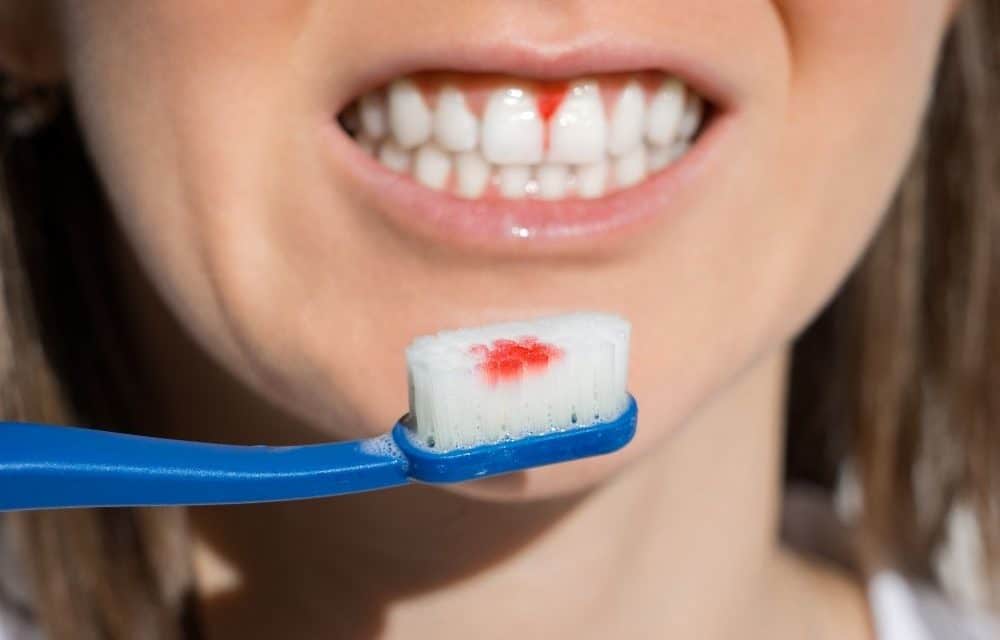
Maintaining good oral health can be as simple as brushing and flossing daily, coupled with regular dental visits after every six months. However, most people find this routine exhausting and leave their mouths untended, predisposing them to different gum diseases, including periodontitis. If your gums are bleeding while you brush, you might be worried that your condition has aggravated. However, regular Midtown East family dentistry checks help determine the stage you are at and how to prevent further deterioration. Tag along.

Stage 1: Gingivitis

Generally, periodontitis is not painful, and it is possible to miss the very first signs. Gingivitis is the first stage of periodontitis and results from plaque build-up around the teeth. This may cause swelling along the gum line, and you are likely to experience some bleeding when brushing. At this stage, the symptoms are mild and reversible. With consistent brushing, flossing, and professional teeth cleaning, you will be able to prevent further dental issues. For damaged or weakened teeth, advanced options like same day crowns San Jose patients rely on can restore strength and appearance in just one visit.


Stage 2: Slight Periodontitis

At this stage, the infection is aggressive, has reached the bone, and is already wrecking the bone tissues. The symptoms include increased swelling and redness of the gums and bleeding when brushing or flossing. Even though Slight periodontitis is not reversible, it is manageable. To diagnose the condition, your dentist does this by probing the depths between the gums and teeth. If it is above four millimeters, treatment interventions will include extensive gum cleaning to remove deeply rooted bacteria deposits.

Stage 3: Moderate Periodontitis

The only difference between slight and moderate periodontitis is that the probing depths are above 6 millimeters. Deep pockets between the teeth and gums mean more bacterial attacks on the teeth and the jawbone. At this stage, the bacteria can easily make an entry into your bloodstream and compromise your immune system. Treatment intervention will include deep cleaning procedures, such as scaling and root planing, to remove bacterial deposits from deep below the gum line.

Stage 4: Advanced Periodontitis

This is the final stage of periodontitis. At this stage, the infection has advanced to a disease-causing bacteria. The stage presents a 50-90% chance of irreversible bone loss. The symptoms include swollen, red gums that ooze pus, extreme sensitivity to cold, painful chewing, loosened teeth, and severe bad breath. If the condition is left untreated, you risk gaps between teeth, gum recession, and other severe health conditions. Surgery or periodontal laser therapy becomes a necessity at this stage to clean out the deep pockets of bacteria below the gums and allow the infected tissues to recover.

Symptoms of periodontitis may take a while to manifest, and it is possible to only catch the symptoms when the condition is already in the fourth stage. Treatment of the disease varies depending on the severity of the condition. As such, regular dental visits are key to maintaining proper oral hygiene. This makes it easier to catch the disease early when it is most treatable and reversible. Treatment may include antibiotics and deep teeth cleaning if the symptoms are identified earlier. However, if it is in the advanced stage, you may require surgery to remove the infection.

Dental crowns are teeth-shaped caps placed over damaged or decayed teeth to restore their shape and function. A crown can cover a dental implant, protect a decayed or broken tooth, cover a misshapen tooth, or support a tooth with a large filling. A dental bridge replaces a missing tooth. It involves your dentist installing a false tooth called a pontic supported by a crown on either side of the gap left by the missing tooth. Richmond crowns and bridges are made from strong materials like porcelain, making them durable. There are many benefits of crowns and bridges, including:

Restore tooth structure and function

Dental crowns protect damaged teeth. If you had a root canal treatment, it could make your tooth weak. A dental crown covers the fragile tooth and restores its structure and function. Dental bridges also help restore the function of your teeth. They fill the gaps of missing teeth enabling you to eat and chew normally. By filling empty gaps, bridges also improve your speech. An experienced dentist in Detroit, MI can provide custom crowns and bridges to restore both strength and confidence in your smile.

Aesthetic enhancement

Dental crowns and bridges improve your teeth’ appearance and smile. Ceramic crowns can blend well with your natural teeth, improving your dental look. Your dentist can match the crown color with your surrounding teeth, making them less noticeable and giving you a brighter smile. Dental bridges replace lost teeth, restoring your dental look and smile.

They are durable

Crowns are among the dental treatments known to last for a long time. They are made from strong and high-quality materials like metals or porcelain combined with metal, increasing their durability. Like crowns, bridges also last for a long period.

They prevent further damage

Crowns and bridges hold teeth together, preventing future teeth loss. They act as natural teeth by stimulating the jawbone constantly, preventing deterioration and making it strong. If you have damaged teeth, crowns limit breakages, preventing destruction from reaching your teeth’ nerves. Missing teeth can lead to the shifting of surrounding teeth leading to misalignment. Bridges help keep your teeth in a stable place, preventing misalignment.

They end pain

When a tooth breaks from any injury or accident, it becomes sore, sensitive, and painful. Bleeding may also happen. Dental crowns protect damaged teeth, ending pain and preventing further damage. Dental brigades replace missing teeth, relieving sensitivity and pain.

Improve oral health

It becomes challenging to maintain your oral hygiene when you lose some of your teeth, or they are broken. Sometimes you may bleed when you floss or brush them too hard. Missing or damaged teeth can lead to pain or swollen gums. Dental crowns and bridges correct all these problems and help you maintain oral health.

They boost self-esteem

Losing teeth destroy your dental appearance, facial structure, and smile, affecting your confidence and self-esteem. Dental crowns and bridges restore your teeth’ structure and natural appearance, boosting your self-esteem. Dental bridges replace lost teeth, restoring your facial structure, hence improving your self-confidence.

Dental crowns correct damaged and broken teeth, while bridges replace lost teeth. Crowns and bridges restore teeth structure and function, improve oral health, boost your smile and prevent further dental damage. Schedule an appointment with Juan M. Carrillo, DMD, for crowns and bridge placement to restore your dental look and smile.