Category

Health

Category

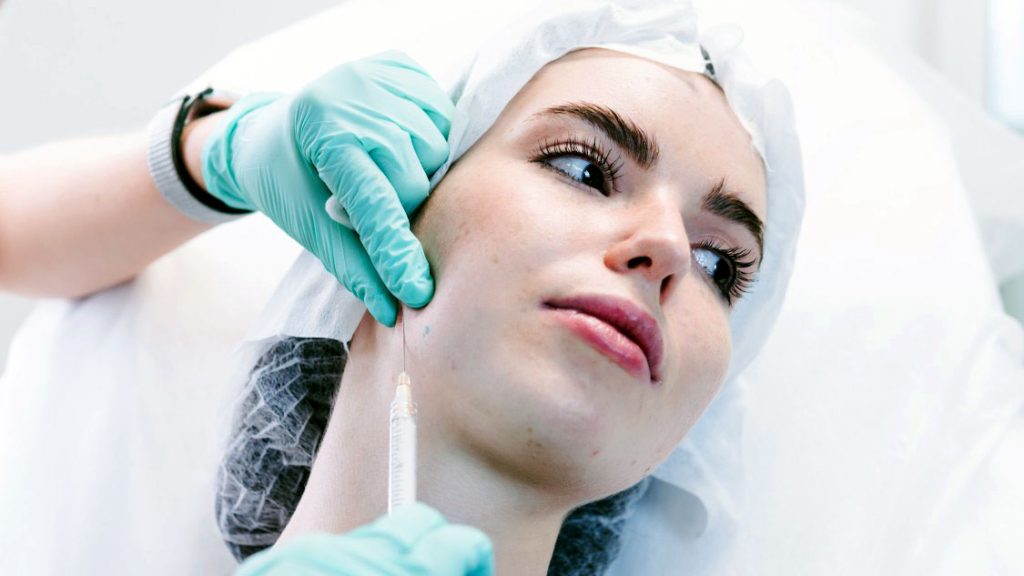
Ultherapy, a groundbreaking treatment in the world of cosmetic medicine, has come to revolutionize our approach to skin rejuvenation and tightening. This non-invasive procedure utilizes ultrasound technology to stimulate collagen production in the deeper layers of the skin, addressing common signs of aging like skin laxity, wrinkles, and fine lines. As a scientifically-proven method, Ultherapy stands out as a safe and effective alternative to surgical facelifts, offering patients a means of reclaiming their youthful radiance without the risks or downtime associated with surgery.

Understanding How Ultherapy Works

At its core, Ultherapy treatment in Singapore works by delivering concentrated ultrasound energy to targeted areas beneath the skin’s surface. This process generates gentle heat, which in turn triggers the body’s natural regenerative response, stimulating the production of new collagen – a protein essential for maintaining skin elasticity and firmness. The beauty of Ultherapy lies in its ability to reach the deeper dermal and subdermal layers, which are typically addressed in cosmetic surgery, without disrupting the skin’s surface. Over time, as new collagen forms, patients notice a gradual but noticeable improvement in skin tightness and a reduction in wrinkles, delivering a naturally rejuvenated look.

The Benefits of Ultherapy

Ultherapy brings to the table a host of benefits. Perhaps the most compelling one is its non-invasive nature, enabling patients to achieve significant cosmetic improvements without resorting to surgical interventions. This treatment offers a virtually painless, scalpel-free alternative to traditional facelifts, with minimal to no downtime. The procedure typically lasts between 60-90 minutes, and patients can return to their daily activities immediately afterward.

Secondly, Ultherapy treatment in Singapore provides natural, gradual results. Since the procedure capitalizes on the body’s natural collagen production process, the skin tightening effects appear over 2-3 months, ensuring subtle yet long-lasting improvements. Patients can expect tighter, more lifted skin, softened lines, and a more youthful appearance, with results that can last up to a year or more, depending on individual collagen production and lifestyle factors.

Ideal Candidates for Ultherapy

Ideal candidates for Ultherapy are typically those beginning to notice the signs of aging on their skin. This can include moderate skin laxity, such as lowered eyebrow lines, sagging under the chin, or the formation of wrinkles and fine lines on the chest area. It’s also an excellent option for those who are not ready for surgery or wish to prolong the effects of cosmetic surgery. However, it’s essential to note that Ultherapy is not a replacement for a surgical facelift. It’s a preventive and corrective measure best suited for people with mild to moderate skin sagging.

The Uniqueness of Ultherapy among Other Skin Tightening Treatments

The uniqueness of Ultherapy lies in its targeted, non-invasive application and its use of ultrasound energy, which sets it apart from other skin tightening treatments. Unlike laser treatments that work from the outside in, Ultherapy works from the inside out, targeting the deeper layers of skin usually addressed by surgical procedures. Furthermore, ultrasound imaging allows practitioners to see the layers of tissue being targeted during the treatment, ensuring the energy is delivered precisely where it will be most beneficial.

What to Expect During an Ultherapy Treatment

During an Ultherapy session, a smooth applicator on your skin projects an image onto a screen, allowing your practitioner to plan where they will direct the ultrasound energy. The applicator is then used to deliver small deposits of focused energy at the appropriate depth beneath the skin while leaving the surface untouched.

Patients might experience mild discomfort during the treatment, which is a positive sign that the collagen-building process has been initiated. To ensure a comfortable experience, practitioners may use certain measures to make the procedure as pleasant as possible, such as using a topical anesthetic or administering mild sedatives.

The quest for timeless beauty need not be a journey marked by invasive procedures and extended recovery periods. With advancements like Ultherapy, achieving a more youthful, vibrant look has never been safer or more convenient. It’s the promise of rejuvenation without disruption, making it a valuable addition to the aesthetic toolkits of today and beyond.

Lung cancer is one of the leading causes of cancer-related deaths worldwide, and its treatment requires a deep understanding of the genetic alterations that drive its development. One such genetic alteration is the mutation in the KRAS gene, which plays a crucial role in cancer progression. In this blog post, we will explore the effect of KRAS gene mutations on cancer development, with a specific focus on lung cancer. Additionally, we will delve into the therapeutic strategies being developed and utilized to target KRAS-mutated cancers. For individuals seeking lung cancer treatment in Noida, understanding the role of KRAS mutations and the available treatment options is essential to ensure the best possible outcomes.

What is the KRAS gene?

The KRAS gene is a proto-oncogene that regulates cell growth and division. It is a vital component of the RAS signaling pathway, which controls various cellular processes. In its normal state, the KRAS gene helps maintain the balance of cell growth and proliferation.

How do KRAS gene mutations contribute to cancer development?

When the KRAS gene undergoes specific mutations, its normal function is disrupted. These mutations cause the gene to become permanently activated, leading to uncontrolled cell growth and the formation of tumors. KRAS mutations are commonly found in various cancers, including lung, colorectal, and pancreatic cancer. In the context of lung cancer, KRAS mutations are associated with a more aggressive disease course and reduced response to traditional treatments.

The Impact of KRAS Mutations on Lung Cancer

KRAS mutations occur in approximately 20-30% of all lung cancer cases, making it one of the most frequently mutated genes in this type of cancer. In the context of non-small cell lung cancer (NSCLC), the most common form of lung cancer, KRAS mutations are particularly prevalent.

KRAS mutations lead to the activation of downstream signaling pathways that promote cell survival, proliferation, and invasion. The aberrant activation of these pathways contributes to the development and progression of lung cancer. The presence of KRAS mutations also influences tumor behavior, response to treatment, and overall patient prognosis.

Therapeutic Strategies for KRAS Mutated Cancers

Targeted therapies

Targeted therapies specifically aim to inhibit the activity of the mutated KRAS protein or downstream signaling pathways. Significant progress has been made in recent years to develop effective KRAS-targeted therapies. For instance, novel small molecule inhibitors and monoclonal antibodies are being investigated to selectively block KRAS mutant proteins, thereby inhibiting tumor growth.

Immunotherapies

Immunotherapies have revolutionized cancer treatment by harnessing the body’s immune system to fight cancer cells. While KRAS mutations were initially considered challenging for immunotherapy, recent advancements have shown promise. For example, immune checkpoint inhibitors, such as pembrolizumab and nivolumab, have demonstrated efficacy in a subset of KRAS-mutated lung cancers.

Overcoming resistance to KRAS-targeted therapies

Resistance to KRAS-targeted therapies remains a significant challenge. However, ongoing research aims to identify mechanisms of resistance and develop combination therapies to overcome this obstacle. Combinations of targeted therapies, immunotherapies, and chemotherapy are being explored to enhance treatment efficacy and improve patient outcomes.

Conclusion

Understanding the impact of KRAS gene mutations on cancer development, particularly in lung cancer, is crucial for effective treatment strategies. The prevalence of KRAS mutations in lung cancer highlights the need for targeted therapies and personalized treatment approaches. For individuals seeking lung cancer treatment in Noida, it is essential to consult with the best oncologists in Noida, who can provide specialized expertise and access to the latest treatment options. The development of novel targeted therapies and the integration of immunotherapies offer hope for improved outcomes in KRAS-mutated cancers.

FAQs

Can KRAS gene mutations be inherited?

KRAS mutations are primarily somatic, meaning they occur spontaneously within cells during a person’s lifetime and are not inherited from parents.

Are there any lifestyle factors that increase the risk of KRAS mutations?

Genetic alterations primarily cause KRAS mutations and are not directly influenced by lifestyle factors.

How effective are targeted therapies for KRAS-mutated cancers?

Targeted therapies have shown promise in treating KRAS-mutated cancers, with emerging treatments demonstrating encouraging results. However, the efficacy of these therapies can vary depending on individual patient characteristics and specific mutations.

What are the potential side effects of KRAS-targeted therapies?

Like any cancer treatment, targeted therapies may have side effects. However, the specific side effects can vary depending on the type of targeted therapy used. It is important to discuss potential side effects with your healthcare provider.

Are there clinical trials available for KRAS-mutated cancer treatments?

Ongoing clinical trials are investigating novel treatment approaches for KRAS-mutated cancers. If you are interested in participating in a clinical trial, it is advisable to consult with your oncologist to determine eligibility and explore available options.

You’ve undoubtedly heard the standard advice regarding sleep, which is as follows: you should aim for six to eight hours of sleep per night, and the hours of sleep acquired before midnight are more beneficial to the body than those acquired between midnight and waking.

How did the researchers arrive at this result of questions about sleep? After reviewing the results of 29 distinct studies on the topic of sleep, it became abundantly clear that getting at least seven hours of sleep per night is crucial for maintaining our health, as sleep provides the brain with essential restorative tasks.

Why sufficient leisure is essential

During sleep, the brain is able to consolidate memories of everything from facts and figures to physical abilities. If we don’t get enough sleep, our brains won’t be able to comprehend everything that occurred throughout the day. He provides the following rationale for why remaining up all night to study for a test will not be beneficial: There is insufficient time to save these details in a valuable manner.

Why are you having trouble falling asleep?

Each night, are you only able to sleep for a total of five hours? Consider all of the foods and beverages you consumed throughout the day. If sweetened drinks (such as energy drinks, soda, or excessive consumption of caffeinated beverages with added sugar) are on that list, they are most likely to be to blame. Increasing the amount of sleep people get has the potential to aid them in breaking the cycle and reducing their sugar intake, both of which have been linked to metabolic diseases.

The Scientific Study of Sleep

Sleeping is one of the most peculiar daily activities that we engage in. Those who reach adulthood will spend an average of 36 percent of their lifetimes sleeping. One-third of our time on earth is spent in a power-down, quiet condition of hibernation. During the day, we are bright, intelligent, and energetic creatures.

The Importance of Sleep

Sleep is crucial to your health for a variety of reasons involving your brain and body. Let’s examine some of the most important ones in greater depth.

Sleep’s primary purpose is to restore the organism. As a natural consequence of your brain’s daily neural operations, it will produce waste products. This is perfectly normal, but excessive accumulation of these waste products has been linked to brain diseases like Alzheimer’s. This is true even when normal accumulation occurs.

The second function of sleep is the consolidation of memories. Memory consolidation is the maintenance and improvement of long-term memories. Sleep is an integral part of this process, which is why it is frequently neglected. Insufficient or interrupted sleep can impair both the ability to form concrete memories and emotional memories.

In conclusion, adequate sleep is indispensable for sustaining a sound metabolism. Studies indicate that if you sleep for 5.5 hours per night as opposed to 8.5 hours per night, a smaller proportion of the energy you expend comes from fat and a larger proportion comes from carbohydrates and protein. This is due to the fact that 5.5 hours of sleep is less than half the duration of 8.5 hours of sleep. This can increase the likelihood of acquiring body fat and losing muscle mass.

In conclusion, obtaining a better night’s sleep is essential for maintaining your mental and physical health.

Your skin under and around your eyes are the most delicate and thin than the rest of your facial skin.

How to treat different under-eye skin problems?

The skin around your eyes have various disorders, which needs specific medication and care. Different skins require different combinations of ingredients to response to the developed disorders.

Whether it is dark circles or scars, you may need proper skin care products and immediate skin doctor advice to control further worsening of your skin problems.

Retens Medical have more than 10 years of experience in providing wide range of skin care treatments, including 眼紋 treatment, wart treatment, and skin rejuvenation services.

They have valid FDA and EU CE certifications to meet international standards for skin treatments. With their reputation in the “she.com Beauty Awards 2021” and high-end treatments, they have built the trust for their customers.

Here are some main under-eye skin problems and solutions.

1.      Dark circles

You may choose products containing Vitamin C, Vitamin K, Vitamin B-3, Kojic acid, and Azelaic acid to treat dark circles under your eye. These ingredients help to reduce hyperpigmentation and discoloration due to UV exposure.

2.      Puffiness

Any products rich in caffeine and dipeptide-2 may help you to narrow down blood vessels and improve blood circulation, which in return reduces puffiness.

3.      Wrinkles and fine lines

Skin care products having major ingredients like retinoid, retinol, Vitamin A, and Peptides can stimulate collagen production to reduce skin aging, which causes wrinkles and fine lines.

Hyaluronic-based products have incredible moisture-retaining capabilities to retain skin tone and boost skin hydration.

You may also look for high concentration of antioxidants like Vitamin E in your under-eye skin care products to help you remove free radicals and dead cells.

It also helps you to remove the dark circles and puffiness to brighten and energizes your under-eye skin. Skin care products having high levels of Aloe Vera are found to work efficiently to fine 去眼紋 and wrinkles.

What are the tips for your under-eye skin care?

You under-eye skin has less oil glands and collagen and hence it needs some special attention to make you look youthful and radiant. With proper care and the right products, you can easily avoid the first signs of premature ageing.

Your under-eye skin care tips include –

1.      Healthy diet and plentiful of water

Eat foods rich in antioxidants along with plenty of water and exercise for glowing skin. You must also avoid smoking and other unhealthy habits to improve your skin tone.

2.      Moisturize with right products

Your facial skin undergoes epidermal water loss due to sweating. This causes skin shrinkage to form 皺紋.

Choose proper moisturizer for your skin type to keep it hydrated. You must also avoid harsh lotions and overuse of moisturizers.

3.      Get deep and long sleep

A healthy sleep cycle, deep and long sleep, keeps your body relaxed and refreshed. It contributes to have healthier and bright skin.

4.      Massage

Regular massaging under and around your eyes can help to excrete excess fluid and improve blood circulation. Hence, you can gently massage around your eyes to help you reduce puffiness.