
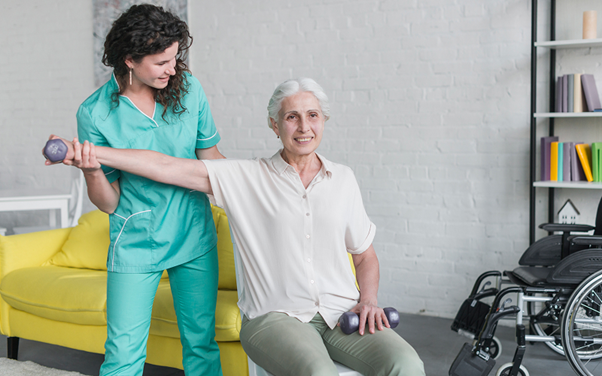
The idea of squeezing in clinic visits for physiotherapy might seem impossible, especially for seniors, busy professionals, or individuals recovering from surgery. That’s where home physiotherapy in Singapore services come into play, shifting the scene from sterile clinics to the comfort of your own space. But is this convenience just a passing trend, or a way to heal?
Adapting to At-Home Physiotherapy
Recovering at home sounds ideal, but it requires a shift in mindset and preparation. When you opt for home physiotherapy sessions in Singapore, you’re essentially turning a personal space into a temporary treatment room. That doesn’t mean buying expensive gear or transforming your home into a gym. It does, however, mean being mindful of the setup.
First, ensure you have a quiet, distraction-free area where exercises and assessments can be conducted safely. A non-slip mat, supportive chair, and access to simple props, like rolled towels or resistance bands, often suffice. Most home physiotherapists bring along any necessary equipment, but the environment still matters for progress and safety.
Secondly, communication becomes even more important. In clinics, therapists may adjust their strategies in real time by observing multiple patients. In a home setting, it’s a one-on-one experience. Meaning, you’ll need to voice discomforts, mobility challenges, and goals more clearly. This personalised attention is often seen as a key advantage of home care.
Lastly, stay consistent. One of the biggest pitfalls of home physiotherapy is the illusion of flexibility. Because it’s on your schedule, you might be tempted to cancel or delay. But recovery requires commitment, whether your therapist is five blocks away or in your living room.
Why People Choose Home Sessions
The rise of home physiotherapy services in Singapore isn’t surprising once you examine the patterns. Many people who turn to home-based care do so for practical reasons. Elderly patients with mobility challenges find it difficult, and sometimes unsafe, to travel. Post-operative individuals might have strict movement restrictions. Parents of children with developmental needs often want their child to feel safe and familiar during sessions.
Convenience aside, there’s also something to be said about the comfort factor. Patients may feel more relaxed and engaged when exercising at home, which can positively affect outcomes. Moreover, therapists get a direct look into your day-to-day physical environment. They can assess your furniture layout, stair access, and even habitual movements that might contribute to pain or injury.
Cost-wise, physiotherapy in Singapore might appear slightly higher in fees due to travel and time. But they often save on transport costs, waiting time, and additional appointments. When weighed as part of an overall recovery strategy, the convenience-to-cost ratio becomes reasonable for many.
What Most Patients Want to Know
Is home physiotherapy as effective as clinic sessions?
In many cases, yes. The effectiveness depends more on the therapist’s skill and your level of participation than the location. Home physiotherapy is particularly beneficial for conditions requiring functional mobility training, like stroke recovery, post-knee surgery care, or elderly fall prevention.
What should I prepare before a home visit?
Aside from a safe, clutter-free area, you may be asked to wear comfortable clothing and have water nearby. Therapists often bring their tools, but if ongoing exercises require basic items, they’ll advise accordingly.
Can I use home physiotherapy for sports injuries or chronic pain?
Absolutely. While sports clinics may offer more specialised equipment, many exercises and treatment plans can be adapted for home use. Physiotherapy services in Singapore increasingly use creative, minimalist setups to replicate clinical results.
How do I know if a home physiotherapist is qualified?
Always check for accreditation with Singapore’s Allied Health Professions Council (AHPC). You can request qualifications and experience before starting. Some platforms highlight therapist profiles, making it easier for patients to choose based on specialisation or condition.
Will my insurance cover home physiotherapy?
This varies depending on your provider. Some insurance plans and arrangements may cover at-home sessions, especially when recommended by a doctor. It’s best to clarify with both your insurer and the physiotherapy provider.
When Home Becomes the Best Place to Heal
The idea of inviting a physiotherapist into your home might have once seemed unusual. But today, home physiotherapy in Singapore is part of a growing shift toward more personalised, adaptable, and holistic recovery methods. For many, the benefits of comfort, accessibility, and consistency far outweigh the initial doubts. Whether recovering from surgery, supporting an ageing parent, or wanting to avoid the commute, physiotherapy in Singapore isn’t locked to clinic walls anymore. With the right mindset and a reliable provider, your home could become the most effective space to move, stretch, strengthen, and heal.
Considering a smarter way to recover? Explore The Home Physio today, because comfort shouldn’t cost your health.