

Tag

orthodontics

Browsing

Budget is often a key concern for individuals exploring orthodontic treatment in Singapore. Due to the high cost of dental care, many turn to cheap braces as a seemingly practical alternative to conventional options. While these affordable solutions can correct misalignment issues effectively, they are not without limitations. Patients who are thinking about taking this path need to be realistic about what to anticipate, whether it be the extent of therapy, the care they will receive, or the long-term outcomes. Understanding these realities is essential before committing to any orthodontic plan.

Understanding What “Cheap” Actually Means

The term “cheap braces in Singapore” typically refers to orthodontic treatments that are significantly lower in price than those offered at premium dental clinics. These options may be available at dental schools, community clinics, or smaller practices trying to remain competitive. However, affordability does not always equate to low quality. In many cases, cheap braces may still be provided by a licensed orthodontist, especially if the clinic operates with lower overheads or receives subsidies. Still, there can be trade-offs in terms of customisation, technology, or clinic environment.

Treatment Duration May Be Longer

Cost-effective braces may rely on more traditional orthodontic techniques, which could extend the duration of treatment. For instance, while newer systems with advanced 3D planning and custom archwires can accelerate alignment, cheaper braces often follow standard protocols that may take two to three years to complete. Patients should anticipate a longer commitment and more frequent follow-up appointments, particularly if the clinic operates on a higher patient load per orthodontist.

Material and Aesthetic Limitations

One of the most visible differences with cheap braces is the type of materials used. Most low-cost options are metal braces, which are effective but more noticeable. Ceramic or clear braces, and especially clear aligners, typically come at a higher cost due to the materials and manufacturing process involved. Patients prioritising affordability will likely need to forgo discreet aesthetics and opt for metal brackets and wires, which remain effective but less visually appealing.

ALSO READ: How Orthodontic Treatment Can Help Gummy Smiles

Clinic Location and Support Services

Many affordable orthodontic services are offered in areas outside the city centre or through university dental programmes. While these setups can still provide competent care, patients should be prepared for longer wait times, less personalised service, and potential limitations in after-hours support. Unlike larger dental chains or private practices, budget clinics may not have the same level of infrastructure for emergency adjustments or rapid scheduling changes. This instance can be inconvenient during the active phase of orthodontic treatment.

Level of Experience and Supervision

Some clinics offering cheap braces may rely on general dentists with orthodontic training rather than a fully accredited orthodontist in Singapore. While this does not necessarily equate to poor outcomes, the complexity of a patient’s case should determine whether a specialist is required. Patients with severe misalignment, jaw issues, or multiple oral health concerns should prioritise seeing a certified orthodontist, even if it involves a higher upfront cost.

Final Outcome May Differ Slightly

Patients opting for lower-cost braces must accept that while the final alignment may still improve significantly, the results may not always be as precise as those achieved with advanced orthodontic technologies or specialist care. Additionally, long-term retention strategies like customised retainers may not be included in the basic package, which could impact the longevity of results if not properly managed.

Conclusion

Choosing cheap braces in Singapore is a sensible decision, particularly when money is the main barrier. However, setting realistic expectations is critical. The trade-offs typically involve longer treatment time, fewer aesthetic options, and potentially limited support. Consulting a qualified orthodontist to evaluate whether budget-friendly braces are suitable for your case is essential before proceeding.

Contact Align Braces Clinic and schedule a consultation with a professional orthodontist today.
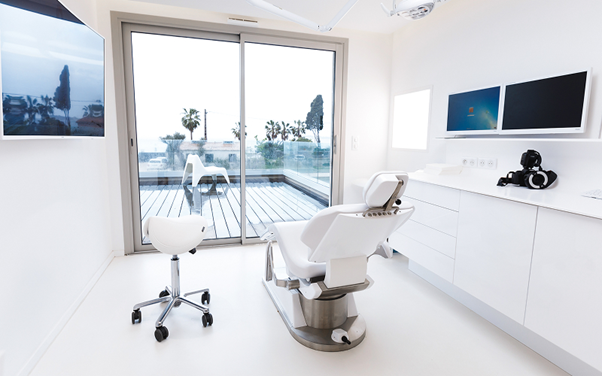
Determine whether you require orthodontic treatment by consulting a dentist. Misaligned teeth, jaw issues or bite problems may prompt a referral to an orthodontic clinic in Singapore. A professional assessment will outline treatment options such as braces or aligners. Early evaluation helps identify issues before they become more severe, and a specialist will advise on the best course of action.

Choosing the right clinic in Singapore

Selecting an orthodontic clinic requires research. Consider factors such as location, clinic reputation and expertise. Ask for recommendations from your dentist or trusted sources. When you visit a clinic, assess the environment and speak with the orthodontist about treatment plans, costs and expected outcomes. A well-informed decision ensures your treatment journey runs smoothly.

Financial planning for treatment

Ask for a detailed quotation that outlines consultation fees, diagnostic tests and procedure costs. Factor in potential follow-up appointments or medication. If Medisave applies, subtract the claimable amount from the total to determine out-of-pocket expenses. Set aside funds or explore payment plans if necessary. Budgeting alleviates financial stress, allowing you to focus on recovery.

Preparing for surgery and Medisave coverage

When surgery is necessary, preparation involves a consultation to discuss your medical history and to review imaging. A key consideration is funding. Wisdom tooth surgery and Medisave coverage are needed if the procedure is surgical. In Singapore, Medisave can offset part of the cost if a dentist performs the surgery under sedation or general anaesthesia. Consult your clinic to verify eligibility and the amount you can claim. Have your identification and documents ready to ensure a smooth process.

What to expect during the procedure

During extraction, your dentist will numb the area with anaesthetic. They may need to make an incision to access the tooth and, if necessary, remove bone. Once the tooth is extracted, stitches may be placed to close the incision. The entire process typically takes under an hour, but more complex cases may last longer. Communicate with your dentist during the procedure if you experience discomfort or anxiety. Knowing each step helps reduce fear and fosters trust.

Understanding wisdom tooth extraction

Wisdom teeth emerge in late adolescence or early adulthood and can cause discomfort or complications if they are impacted or misaligned. Wisdom tooth extraction is a procedure that removes one or more of these teeth to prevent pain and infection. Dentists recommend removal when there is insufficient space in the jaw or when the tooth grows at an angle. Depending on the complexity, extractions may take place under local or general anaesthesia.

Post-operative care and recovery

After surgery, follow post-operative instructions carefully. Bite on gauze to control bleeding and avoid strenuous activities for a few days. Consume soft foods and stay hydrated. Use prescribed pain relief medication as directed, and apply ice packs to reduce swelling. Keep your mouth clean by gently rinsing with saline solution. Avoid smoking or drinking through a straw to prevent complications. Healing varies between individuals, but most people recover within one to two weeks.

Seeking specialist advice for complications

If there is bleeding, infection, fever or pus, it is best to contact your dentist immediately. Prompt attention ensures complications do not worsen. A follow-up appointment allows the dentist to monitor healing and remove stitches if necessary.

Learn More: Wisdom Tooth Surgery vs Wisdom Tooth Extraction

Integrating orthodontic and surgical care

Sometimes orthodontic treatment and wisdom tooth extraction intersect. Braces can solve crowded teeth, which can impede proper alignment. Removing wisdom teeth may improve results. Discuss with your orthodontist and dentist if simultaneous planning is beneficial. Coordinated care ensures your treatment goals align and reduces the likelihood of setbacks.

Navigating dental care requires informed choices and careful planning. From selecting an orthodontic clinic in Singapore to preparing for wisdom tooth extraction, understanding procedures, costs and of a wisdom tooth surgery and Medisave coverage will help you approach treatment safely. Follow professional advice, prepare financially and prioritise post-operative care to achieve the best outcomes for your oral health.

For more information about orthodontic and wisdom tooth services, visit Neo Smiles today.