

Archive

2024

Browsing

The fitness world is full of workouts that target different muscle groups and improve strength and physique. Recently popular exercises include the hex press. Effective and versatile, this compound action is a great addition to any workout. We will discuss what is a hex press exercise, the benefits, appropriate form, and variants of the hex press exercise in this article.

Origins of the Hex Press

Hex press, hexagonal dumbbell press, or squeeze press is a variation of the dumbbell bench press. Its name comes from the hexagonal dumbbells used in the workout. This design provides a neutral grip, stimulating chest muscles differently than the bench press.

Target Muscles

The hex press targets the massive chest muscle pectoralis major and the triceps brachii. The exercise also works the anterior deltoids, serratus anterior, and core stabilizing muscles. This makes the hex press a complete compound movement that builds chest and upper body strength.

Equipment Needed

Hex dumbbells are needed for the hex press. Flat sides prevent these specialist dumbbells from sliding away during exercise. The flat sides provide a firm grip, enhancing press stability. Hexagonal dumbbells come in different weights for different fitness levels.

Proper Form

Form is essential for reaping the advantages of any exercise, including the hex press. Start by reclining on a flat bench with dumbbells in each hand. Establish a stable base by planting your feet. Raise the dumbbells over your chest with a neutral grip and palms facing each other. While holding your elbows 90 degrees, lower the dumbbells to your chest sides. Return the weights to the beginning position, fully extending your arms.

Benefits of the Hex Press:

  • Activating the chest muscles with the hex press promotes balanced development and strength.
  • The neutral grip lowers shoulder tension, making it a joint-friendly option for shoulder sufferers.
  • Hexagonal dumbbells improve stability, demanding more control during workout.
  • Hex press boosts arm strength by engaging the triceps.

Variations of the Hex Press:

  • To focus on the upper chest, do the hex press on an inclined bench.
  • Hex press on a decline bench targets the lower chest.
  • Perform the hex press one-arm at a time to stabilize and isolate each chest side.

Incorporating the Hex Press into Your Routine:

Incorporate the hex press into your upper body workout to maximize its advantages. Adjust the weight to your fitness level and do 3-4 sets of 8-12 repetitions. Make sure you warm up and cool down properly to avoid injury and improve performance.

Integrating Hex Press for Overall Fitness:

Hex presses are good for chest growth, but they should be part of a well-rounded workout. Combine aerobic, lower body workouts, and flexibility training for a balanced, functional body.

Consultation with a Fitness Professional:

Before starting the hex press or any new workout, visit a fitness professional or doctor, especially if you have pre-existing injuries or health issues. They can tailor the hex press to your exercise goals and well-being.

Conclusion

The hex press is a unique chest and triceps workout that shows how fitness practices have evolved. By learning its history, benefits, appropriate form, and variants, anyone may use the hex press into their workouts to build strength and muscle. The hex press’s entire potential and fitness success depend on consistency, form, and a balanced fitness program, as with any exercise.
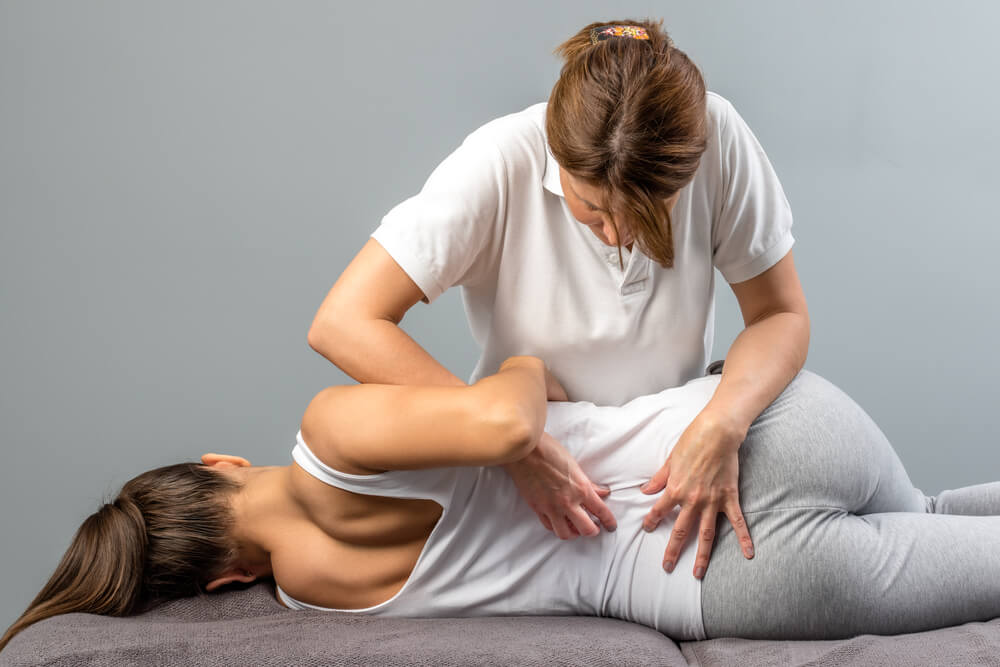
According to the studies, millions of adults experience lower back pain issues due to a sedentary lifestyle, stress, unhealthy eating habits, and others. It is challenging to deal with back pain as it affects mobility, daily activities, and quality of life. Due to the pain, the person may struggle to walk, climb stairs, sit, and do various other activities. Many people prefer non-surgical lower back pain treatment to manage the pain and find relief from the symptoms.

Fortunately, physical therapy has proven a boon to help manage back pain for many men and women who prefer non-surgical treatments over surgery. This lower back pain treatment has stood out as a highly effective and holistic approach that offers various benefits.

Let us uncover the multifaceted health benefits of implementing physical therapy into the lower back pain treatment plan.

The Use Of Physical Therapy In The Treatment Of Lower Back Pain

1.   Reduces Irritation Of Nerves

There can be various reasons for lower back pain, and one of them is chronic sciatica. Your spine’s nerves are involved in this. Other than this, changes in the discs or spine joints, age-related issues, or injuries in the back may result in nerve compression, resulting in pain. With the help of some physical therapies, you can relieve your nerve compression and irritation. The experts will guide you with special stretching techniques and exercises that enhance the functioning of your spine joints and maintain proper disc alignment.

2.   Works Well With Other Therapies

Non-surgical lower back pain treatment involves various other therapies that can help alleviate pain. Once you know the root cause of your pain, you can combine physical therapy with chiropractic care, acupuncture, and other pain management techniques. This integrated approach provides immediate relief and fosters long-term benefits by improving overall spinal health.

3.   Helps To Reduce The Need For Medication

Medication helps in reducing the pain, but some of them can be addictive, and at some point in time, they stop affecting. Many of them have side effects, like constipation, sleeping issues, and gastric issues.

Various physical therapies help patients reduce the need for pain medicines, and after a few sessions, they can avoid those medications permanently.

4.   Increases Strength And Flexibility

Many people experience lower back pain due to their sedentary lifestyle. Their limited mobility and less active lifestyle may lead to various health issues. Your physical therapist will help with a customized plan according to your requirements that will help improve strength, flexibility, balance, and posture.

5.   Aid In Preventing Future Injuries

Physical therapy improves the health and flexibility of your spine, reducing your risk of further injuries and unintentional falls.

6.   Individualized Treatment Plans

Every person experiences lower back pain due to unique causes. The physical therapist understands the requirements and designs the plan according to the individual’s specific conditions, lifestyle, and recovery goals.

Conclusion

Physical therapy is one of the most comprehensive and patient-centered approaches to lower back pain treatment. With the help of top healthcare centers like ANSSI Wellness, you can get various other 100% non-surgical lower back pain treatments and relief from the pain without getting hospitalized.

A phrase that too many of us are acquainted with peachtree city arm pain. It’s a constant, unwelcome presence, a shadow that saps away your joy every day. You’ve taken the usual routes – painkillers, massages, heating pads – but the relief is fleeting. Enter the Pain Management Specialist. A professional dedicated to understanding, studying, and battling pain. They are not just doctors, but warriors against the persistent gnawing at your wellbeing. Their goal? To help you reclaim your life from the clutches of pain. Let’s explore this critical role, and shed light on the silent heroes of our everyday battles.

Who is a Pain Management Specialist?

A Pain Management Specialist is a doctor trained in diagnosing and treating pain. These specialists understand that pain is a complex, universal experience. It can be acute or chronic, burning or dull, sharp or steady. They work tirelessly to find the root cause of your pain and develop a comprehensive treatment plan.

What Do They Do?

They’re not just prescribing painkillers. Instead, they use a multitude of techniques to manage pain. They might use nerve blocks, physical therapy, biofeedback, and even cognitive-behavioral therapy. These specialists plunge into the depths of your discomfort, seeking out the why and the how of your suffering.

Why Do We Need Them?

Pain is a complex puzzle. It’s not just physical – it can affect your mental health, your quality of life, your relationships. A Pain Management Specialist understands this. They don’t just treat the pain; they treat the person suffering from it. They strive to help you lead a fulfilling life, unhindered by the challenges of chronic discomfort.

What’s the Outcome?

Imagine waking up without that nagging ache in your arm. Imagine being able to hold your grandchild, play your favorite sport, or simply carry your shopping bags without wincing in pain. This is what a Pain Management Specialist can do. They can transform your life, easing your suffering and letting you reclaim your life from pain.

If you’re in Peachtree City, arm pain doesn’t have to dominate your life. With the help of a Pain Management Specialist, you can fight back. You can live your life on your terms, free from the shadow of relentless pain. It’s time to recognize these heroes, for they hold the power to change lives, starting with yours.

You’re in the city of dreams, but your dream is quickly overshadowed by the words los angeles abnormal pap. It’s terrifying, right? Obstetricians and Gynecologists are the lifelines in such scenarios. They’re the unsung heroes in the sphere of women’s health. Whether it’s handling routine visits or navigating through alarming diagnoses like an abnormal pap, these professionals are our guide. In this blog, we’ll explore their pivotal role in depth.

The Warrior in a White Coat

It’s not just about delivering babies. The responsibilities of an obstetrician and gynecologist extend far beyond that. They conduct routine check-ups, diagnose health issues, provide treatments, and even perform surgeries. It’s like they’re always in a state of battle, fighting for our health.

Trust and Communication

Trust between a patient and their doctor is vital. Obstetricians and gynecologists often become our confidants. They hear our fears, our hopes, our secrets, and they empathize. They understand the struggle, the discomfort, the anxiety. It’s a bond that goes beyond the confines of a clinic.

The Role in Preventive Healthcare

They’re not just healers, but also preventers. Regular visits to the obstetrician and gynecologist can catch a potential health issue early. Remember, early detection can make all the difference. It could be the difference between hearing ‘abnormal pap and getting a clean bill of health.

Education and Empowerment

These professionals don’t just treat, they teach. They play a huge role in educating us about our bodies and health. They empower us with knowledge, making us feel more in control of our health.

The Role in Women’s Mental Health

Let’s not forget about mental health. Having a trusted obstetrician or gynecologist to talk to can alleviate our anxieties and fears. They listen. They reassure. They comfort. They help us navigate through challenging diagnoses and ensure we don’t feel alone in our journey.

In conclusion, the role of Obstetricians and Gynecologists in women’s health is more than just clinical. They’re guides, educators, listeners, and warriors. They stand with us in our health battles, reassuring us that we’re not alone, whether we’re dealing with a routine check-up or a diagnosis like an abnormal pap. They’re truly the unsung heroes of women’s health.