Author

Andrew Williams

Browsing

You encourage your kiddo to brush teeth twice a day, along with flossing. Also, you take them to the Powell, TN dental office to get the daily dental checkups done. Such regular appointments with the dentist are all vital steps for keeping your child’s smile cavity-free. So, one of the crucial preventive steps that dentists recommend is dental fluoride treatment. 

It is the most effective method to avert tooth decay and maintain optimum dental health among kids. Such treatment becomes more safe & efficient in reducing the cavity when combined with dental sealants in 95% of cases. So, what’s this treatment, and what are the benefits & side effects? Let’s discuss everything in detail! 

Fluoride: Overview

It’s a naturally existing mineral found within the earth’s crust, water, foods, and widely throughout nature. As it’s the best way to prevent tooth decay, fluoride is often included in tap water supplies for drinking purposes and in toothpaste for adults and kids. 

Why is Fluoride Essential?

When adults or kids eat or drink, the bacteria feed on starches and sugars and liberate acids that deteriorate the teeth’s protective layer, enamel. Cavities or tooth decay occur when enamel disintegrates. Fluoride infiltrates the enamel, making it robust and more invulnerable to acid attacks, which can deter premature tooth decay. Remineralization, the process by which minerals are redeposited into enamel after being washed away by acids (demineralization), is another benefit of this treatment. 

For younger kids with baby teeth, fluoride merges into their growing permanent teeth. When the permanent teeth flash, they are less vulnerable to cavities. In older kids and adults, fluoride controls acid production and helps with remineralization. This implies fluoride can deter cavities in people of all ages.

Advantages of Dental Fluoride Treatments For Children    

Flouride has innumerable advantages for the teeth:

  • It helps kids better use minerals, including phosphate and calcium. The teeth reabsorb these minerals to mend feeble tooth enamel.
  • It combines into the tooth structure when teeth grow to reinforce their enamel, making them less susceptible to cavities and bacteria. 
  • It minimizes or even flips the growth of cavities by destroying the bacteria-causing cavities. 

When combined, these advantages might help to:

  • Minimize the cavity risk.
  • Postpone the pricey dental work requirement.
  • Reduce the cavity growth.
  • Maximize the life of baby teeth.
  • Mitigate the amount of time and hard-earned cash individuals spend at the dentist.

By averting cavities and reducing the proliferation of bacteria, fluoride treatment might also:

  • Minimize toothache.
  • Prevent gum disease.
  • Prevent premature teeth loss.

Flouride treatment may bolster oral health, which, per WHO, is a significant forecaster of overall health.

Side Effects of Flouride Treatment

Tooth discoloration – It’s the most common side effect of fluoride treatment. Fluorosis is known as leaving white streaks on a kid’s teeth. It ensues when a kid ingests excessive fluoride while permanent teeth grow under the gums. Between infancy and 8 years of age, kids can develop fluorosis.

Toxic effects – Fluoride can be harmful if an individual applies it imprecisely or at significant doses, which is uncommon. ADA recommends the utilization of professional fluoride varnish on kids under 6 years old. Fluoride varnish is the most suitable option for young kids, as they tend to swallow gels or foams, which might cause vomiting and nausea. 

Conclusion

Kids must get fluoride treatment twice yearly in Powell unless they have a high risk for tooth decay. At your kid’s first dental visit, which must be arranged at age one, the dentists will discuss your kid’s fluoride intake and decide when to begin the treatment. Nevertheless, these treatments must be followed until at least sixteen years of age.        
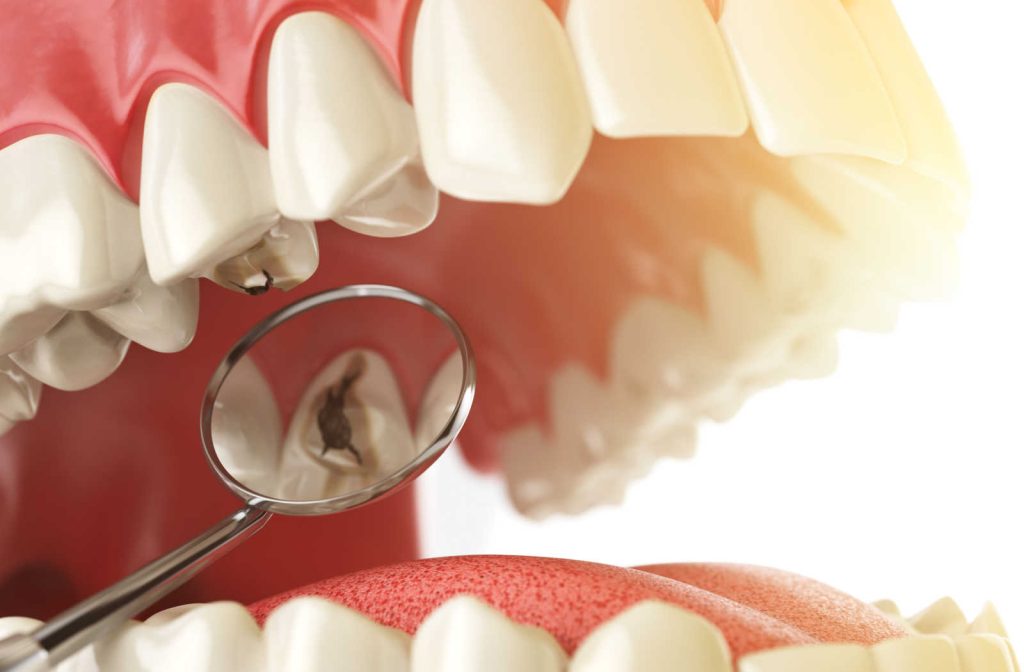
Dry is identified as a problem when the salivary gland in your body doesn’t produce enough saliva in the mouth. This problem of dry mouth is commonly known as xerostomia. In most cases, dehydration is the leading cause of temporary dry mouth. In other cases, dry mouth can be counted as a chronic problem. People having such issues might struggle with lifetime problems. Visit cleanings and prevention Little Elm for permanent solutions and consultancy that would be helpful for you.   

What are the issues that dry mouth can cause, and what is the risk of dental damage?

Dry mouth can have multiple impacts on your overall health, especially your oral health. A dry mouth can cause many issues, including tooth decay, gum diseases, erosion of enamel, and sometimes staining of your teeth’ color. Dry mouth is a severe problem that causes serious oral health issues that can make anyone uncomfortable. Saliva is the most essential part of overall health, and it helps to provide an all-natural and defensive environment against acid erosion and tooth decay. Here, the saliva helps to reduce the overall acid erosion and decay by washing away all the food debris from the teeth themselves and neutralizing the acid present in the mouth.     

Here is the list of dental damage that can be caused to the overall dental health if the period of dry mouth is extended.

  • The problem of tooth decay

Multiple other factors can cause the tooth, but the lack of saliva production is one of the leading factors. The risk of tooth decay increases because of the decrease in the release of saliva, causing dry mouth problems, due to which the higher level of acids, plaque, and other food debris is left on the teeth, causing the issue of higher acid secretion and not neutralizing it.

  • Multiple gum diseases  

Dry mouth causes multiple diseases, but one of them is the leading gum disease, which is a bacterial gum infection. As the gum disease problem starts, with the beginning of it, in the gums, the bacteria will begin forming pockets that might occur in between the teeth and gums, which will eventually allow bacteria and plaque to help them reach below the gum line which will increase the risk of tooth losses and tooth decay.

  • The problem of enamel erosion

Dry mouth issues mainly cause problems with teeth enamel erosion. Because of a dry mouth, harmful acids can be left behind on the teeth, which eventually leads to erosion of enamel. Suppose the enamel erosion and dry mouth problems are left unattended and untreated. In that case, these problems might lead to more dangerous issues, such as painful root canal infections and dental cavity problems in the mouth. 

  • The danger of dental staining on teeth

The risk of dental staining is always a concern for anyone conscious of the look of dental health. The issue of dry mouth can always lead to the risk of dental stains and the yellowish color of the teeth, which is the result of food staining and the acid formed in the mouth due to dry mouth problems. You must immediately visit your dentist if you have a high risk of dry mouth for a permanent solution.  

How can you prevent dry mouth and help reduce dental damage?

There can be many possible factors that cause dry mouth problems. Hence, it is essential to obtain the proper reason for the problem of your issue. However, these dry mouth problems are preventable. Here are some natural tips: You can try drinking plenty of water to avoid the dehydration process, and always wash your mouth after drinking any beverages or eating. You must spend more than 4 mins brushing and mouth washing your teeth and mouth on a daily basis. Maintaining a proper oral health routine is essential to have adequate mouth hygiene.   

Dental implants are considered to be the most advanced and popular replacement in the dental industry of Germantown. Dental implants are the best way to replace lost teeth, and broken teeth and to chip and restore the teeth for a more attractive smile and consideration. It is fascinating to know that your dental implant can last up to more than 30 years if it is taken care of properly. Visit a Dentist in Germantown, TN, for an experienced visit and more detailed consultation. 

What are the things you need to increase the lifespan of your dental implants?  

The lifespan of your dental implant certainly depends upon your lifestyle choices and your habits. Suppose you want to have a long-term solution that would help to increase the longevity of your dental implant. Indeed, dental implants are designed to increase your dental implant longevity. Certain lifestyle habits can have a negative impact that could lead to a decrease in your dental implant lifespan. In order to avoid that thing happening, you must engage yourself in certain daily lifestyle habits to make your dental implant last longer. Here are some of the recommendations that could help you have a stress-free life related to dental implants:  

  • You must follow an excellent oral hygiene habit.

Since dental implants would not decay the way your regular teeth could, the bacteria that are present in the plaque certainly inside your mouth can still affect your teeth. You can have dental implant failure because of bacteria present inside your mouth, which might loosen up your implant caused by some of your gum diseases. However, you can avoid these cases as many hygienic habits can be used to maintain your teeth. You should floss, brush, and rinse your mouth with the help of anti-microbial mouthwash every day to avoid bacterial buildups. 

  • Avoid tobacco to assist dental implants:

Tobacco is the most disastrous way you can harm your dental health. When tobacco is smoked or chewed, it can release thousands of harmful chemicals in your body. This chemical causes direct harm to your dental health, as it can impact the health of your gums. Tobacco should be avoided entirely if you have or already have a dental implant so that the longevity of your dental health is maintained for a longer term. 

  • Select the right food for your teeth:

Food is something that is rightfully and directly related to your dental health. You always have to be attentive and mindful about your food choices to prevent any type of dental trauma and damage that could affect your implants. The food choices that you must avoid include highly sticky and hard foods that might affect your implant with excessive force. 

  • Practice stress-reducing exercises: 

Extreme stress will not only affect your immune system but can also lead to tooth damage that is caused by teeth grinding. The habit of teeth-grinding is also known as bruxism, which is known to damage your teeth if it is not appropriately controlled. Dental implants provide you with a whole lifetime of confident and beautiful smiles, and your lifestyle changes can help you improve the overall life quality of your dental implant.     

Frequently asked questions

Can smoking affect my dental health and implants?   

Smoking can affect your dental health; it generally reduces the blood flow of your body to the gums, increases bacterial buildups, impairs healing, and, at some level,l causes implant failure. Hence, it is better to quit smoking and the consumption of tobacco to some extent. 

What type of food should I avoid with a dental implant?

The type of food that one must avoid while having a dental implant is ice, sticky foods, or some kind of food that can cause damage to your teeth or the implant. Also, try to avoid acidic foods. 

Preventative medicine specialists play a vital role in reducing healthcare costs. By focusing on prevention, they help stop illnesses before they start. This approach saves money and improves health. Southlake primary care is an example of how focusing on prevention can benefit communities. Specialists work with patients to promote healthy living. They provide guidance and support to make lasting lifestyle changes.

The Importance of Preventative Medicine

Preventative medicine aims to catch health issues early or avoid them altogether. It covers many areas, including regular screenings, vaccinations, and lifestyle advice. This proactive care helps reduce the need for more expensive treatments later on.

How Prevention Saves Money

By preventing diseases, fewer expensive treatments and hospital visits are needed. According to the Centers for Disease Control and Prevention, chronic diseases account for most healthcare costs. Preventative care can help control conditions like diabetes and heart disease, reducing the financial burden they cause.

Examples of Preventative Measures

  • Regular cancer screenings help detect cancer early when it’s more treatable.
  • Vaccinations prevent diseases like flu and measles.
  • Lifestyle counseling, including diet and exercise, helps maintain a healthy weight and reduces the risk of chronic diseases.

Comparison of Preventative Care Costs vs. Treatment Costs

Preventative Measure Average Cost Treatment Cost if Not Prevented
Flu Vaccine $25 $1,000 (Hospitalization)
Mammogram $150 $15,000 (Breast Cancer Treatment)
Blood Pressure Screening $50 $20,000 (Heart Disease Treatment)

Role of Specialists

Specialists in preventative medicine work closely with patients to assess their needs. They use guidelines from institutions like the U.S. Preventive Services Task Force to recommend appropriate screenings and lifestyle changes. By doing so, they create a personalized plan for each patient.

Benefits Beyond Cost

Preventative care improves overall quality of life. Patients stay healthier and can enjoy more active lifestyles. This care also reduces stress linked to severe illnesses and their treatments. In communities, widespread use of preventative care leads to better public health outcomes.

Challenges in Implementing Preventative Care

Despite its benefits, preventative care faces challenges. Access to care, insurance coverage, and patient willingness to engage in preventative measures can vary. Addressing these challenges requires coordinated efforts at both policy and individual levels.

Conclusion

Preventative medicine specialists are key to reducing healthcare costs and improving health. Their focus on early detection and prevention helps avoid expensive treatments. By working with patients and using evidence-based guidelines, they create effective, personalized care plans. As preventative care becomes more accessible, the benefits will only continue to grow.