Archive

August 2023

Browsing

Discussions about women’s health and well-being are becoming increasingly important today. These conversations are bringing attention to subjects that were previously considered off-limits. A topic that has recently gained attention is vaginal rejuvenation. 

Vaginal rejuvenation may seem intimidating or unfamiliar to some people, but it offers a variety of benefits that can improve physical comfort and emotional well-being. Houston vaginal rejuvenation comes out of the loop to explain the concern and the recovery process. Read along for complete understanding. 

What is Vaginal Rejuvenation?

Vaginal rejuvenation is a term used to describe a collection of medical procedures that aim to enhance the function, appearance, and overall well-being of the vaginal area. It’s worth mentioning that vaginal rejuvenation isn’t just about appearance. It also helps with issues like vaginal looseness, dryness, and urinary incontinence.

Addressing Frequent Concerns

  • Childbirth and the natural aging process can cause a decrease in vaginal tightness, which is known as vaginal laxity. This can lead to a decrease in sexual satisfaction and even cause discomfort during regular activities. There are procedures available for vaginal rejuvenation, like laser therapy or radiofrequency treatments. These procedures help stimulate collagen production and tighten the vaginal tissues, improving muscle tone and enhancing sensation.
  • Hormonal changes, often linked to menopause, can cause vaginal dryness and discomfort. Vaginal rejuvenation techniques are designed to enhance blood flow, promote natural lubrication, and replenish moisture in the vaginal walls.
  • Many women often have issues with urinary leakage, particularly after they have given birth. Vaginal rejuvenation procedures are designed to help strengthen the pelvic floor muscles and provide improved bladder support. This can help reduce instances of stress urinary incontinence.

Recovery and Procedure

Vaginal rejuvenation procedures are usually not very invasive and don’t require much recovery time. The duration of the sessions can vary depending on the method chosen. This can include laser therapy, radiofrequency treatments, or even surgical options. 

After the procedure, most patients can go back to their regular activities fairly quickly. However, following the instructions after the procedure is important to ensure the best possible outcome.

Conclusion

Vaginal rejuvenation can help improve physical comfort and boost self-confidence. These procedures help improve quality of life and enhance a sense of femininity by addressing concerns like vaginal laxity, dryness, and urinary incontinence. 

If you’re thinking about vaginal rejuvenation, every city and location has a lot of skilled professionals and clinics ready to offer caring and effective treatment. Why not take a step towards greater comfort and confidence? You deserve to prioritize your well-being.

For healthcare providers looking to provide their patients with an effective solution for lower back pain, investing in a high-quality lower back decompression machine is essential. Decompression machines work by gently stretching the spine to alleviate pressure on the discs and nerves, promoting healing and providing significant relief from pain. In this article, we will discuss the key features and considerations to keep in mind when selecting the right decompression machine for your practice.

Factors to Consider When Choosing a Lower Back Decompression Machine

Type of Decompression Machine

There are various types of lower back decompression machines available in the market, including motorized, manual, and inversion-based ones. Motorized machines tend to have higher precision and offer more consistent results, while manual devices may offer a more affordable option. Inversion-based machines provide relief by securing the patient’s ankles and inverting them upside down to use gravity for spinal decompression. Understand the specific needs of your patients to make an informed decision.

Safety Features

Safety should be a top priority when selecting a decompression machine. Ensure the device has built-in safety mechanisms, such as emergency stops, patient restraints, and fail-safe features. Additionally, look for FDA clearance and adherence to industry standards to confirm that the machine has undergone rigorous testing for safety and efficacy.

Customizability and Ease of Use

A customizable decompression machine allows healthcare providers to tailor treatments to individual patients, ensuring optimal results. Look for machines with adjustable traction force, treatment time, and decompression angles. Moreover, the device should be easy to use for both the caregiver and the patient. A user-friendly control panel, clear treatment protocols, and quick-release restraints contribute to smoother operation.

Comfort

Comfort is crucial for ensuring patient compliance and maximizing the effectiveness of spinal decompression therapy. Select a machine that offers comfortable and secure patient restraints, well-padded treatment surfaces, and an ergonomic design one that minimizes discomfort during the procedure.

Size and Portability

Space constraints and mobility can be significant factors when choosing a decompression machine. Some machines are larger and heavy, making them difficult to move between treatment rooms or clinics. Opt for a compact, portable device if you require flexibility or have limited space.

Cost and Warranty

While it’s important to consider the upfront cost of purchasing a decompression machine, it’s also essential to assess ongoing costs, such as maintenance and replacement parts. Additionally, consider the warranty offered by the manufacturer. A more extended warranty period and comprehensive coverage can provide peace of mind and protect your investment.

In Conclusion

Selecting the right lower back decompression machine for your practice requires careful evaluation of multiple factors, including the type of machine, safety features, customizability, ease of use, comfort, size, and cost. By taking these concerns into account, you can make an informed decision and ultimately provide your patients with the most effective and comfortable spinal decompression treatment possible.

Introduction

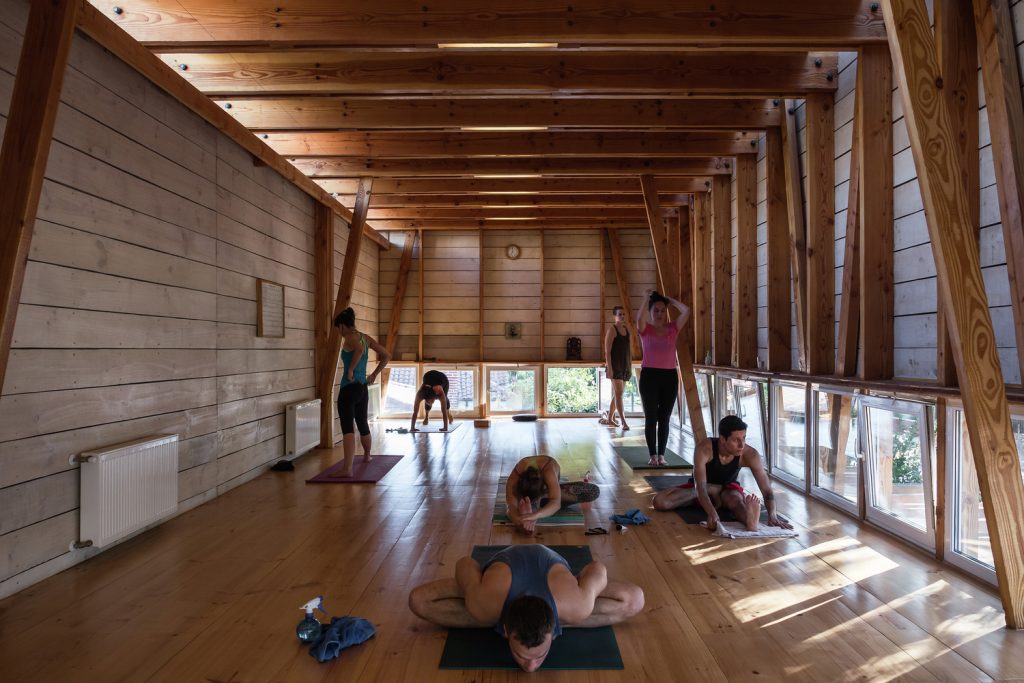
Yoga is not just a physical practice; it’s a way of life that fosters connection, mindfulness, and holistic well-being. As the popularity of yoga continues to grow, so does the importance of creating supportive spaces that facilitate the growth of yoga communities. These spaces serve as more than just locations for practicing yoga; they are environments that encourage personal growth, connection, and a sense of belonging. In this article, we’ll explore the vital role that supportive spaces play in building and nurturing a thriving yoga community.

The Essence of Supportive Spaces

  1. Inclusivity: Supportive yoga spaces prioritize inclusivity, welcoming individuals of all ages, abilities, backgrounds, and experience levels. A diverse community enriches the yoga experience by offering different perspectives and fostering a sense of unity.
  2. Connection: Supportive spaces create opportunities for people to connect, fostering friendships and shared experiences that extend beyond the mat. These connections can be a source of inspiration and motivation.
  3. Safe Haven: Yoga spaces should be sanctuaries where individuals feel physically and emotionally safe. Practitioners can explore their practice without judgment or comparison.
  4. Personal Growth: Supportive spaces encourage personal growth and self-discovery by offering a noncompetitive environment where individuals can explore their physical and mental boundaries. In such nurturing environments, setting boundaries becomes a valued practice, fostering a sense of autonomy and respect among individuals
  5. Mentorship and Guidance: These spaces often provide opportunities for mentorship and guidance from experienced practitioners or teachers. This guidance can deepen the practice and inspire individuals to evolve.

Creating Supportive Yoga Spaces

  1. Inclusive Environment: Foster an atmosphere of acceptance by embracing diversity and promoting a culture of respect. Create an environment where everyone feels valued and welcome.
  2. Skilled Instructors: Knowledgeable and compassionate instructors play a significant role in building a supportive community. Their guidance can inspire and empower practitioners.
  3. Community Events: Organize events beyond regular classes, such as workshops, retreats, and gatherings. These events encourage connection and offer opportunities for shared learning.
  4. Open Communication: Encourage open communication between practitioners, instructors, and studio owners. Feedback and suggestions can help improve the yoga community experience.
  5. Shared Values: Establish shared values that reflect the essence of yoga, such as mindfulness, kindness, and self-awareness. These values provide a common ground for the community.

Benefits of Supportive Yoga Spaces

  1. Emotional Well-Being: Practitioners in supportive spaces often experience reduced stress, anxiety, and feelings of isolation, leading to improved emotional well-being.
  2. Motivation and Accountability: Being part of a community can increase motivation and accountability, inspiring individuals to maintain a consistent practice.
  3. Holistic Growth: Supportive spaces encourage growth not only on the mat but also in daily life. The skills and insights gained during practice extend beyond the yoga studio.
  4. Personal Transformation: The supportive environment allows individuals to explore their potential and embark on journeys of self-discovery and personal transformation.

Conclusion

Supportive spaces are the heart and soul of a thriving yoga community. By fostering inclusivity, connection, personal growth, and shared values, these spaces empower individuals to delve deeper into their practice and themselves. They provide a haven where practitioners can connect with like-minded individuals, learn from experienced teachers, and find inspiration to carry the lessons of yoga beyond the mat. As the yoga community continues to expand, the role of supportive spaces becomes even more crucial in fostering a sense of unity and well-being among practitioners.

As in any laser refractive surgery, the principle is based on a modification of the cornea’s shape under the laser’s action. The modification of the shape of the cornea depends on the type of visual defect to be treated; for example, in the context of myopia, the laser will remove tissue to flatten the center of the cornea, while in the context of hyperopia, the laser will thin the peripheral cornea to make the center bulge.

Unlike the surface laser or PKR, during which the laser acts on the cornea’s surface, the laser is directed in the technique of lasik in the cornea’s thickness, at the stroma’s level. To do this, before correcting the visual defect with the Excimer laser, you must use a Femtosecond laser which will cut out a corneal flap about 100 microns thick. Once completed, this flap will be lifted to expose the corneal stroma on which the Excimer laser will be applied; then, at the operation’s end, this flap will be repositioned.

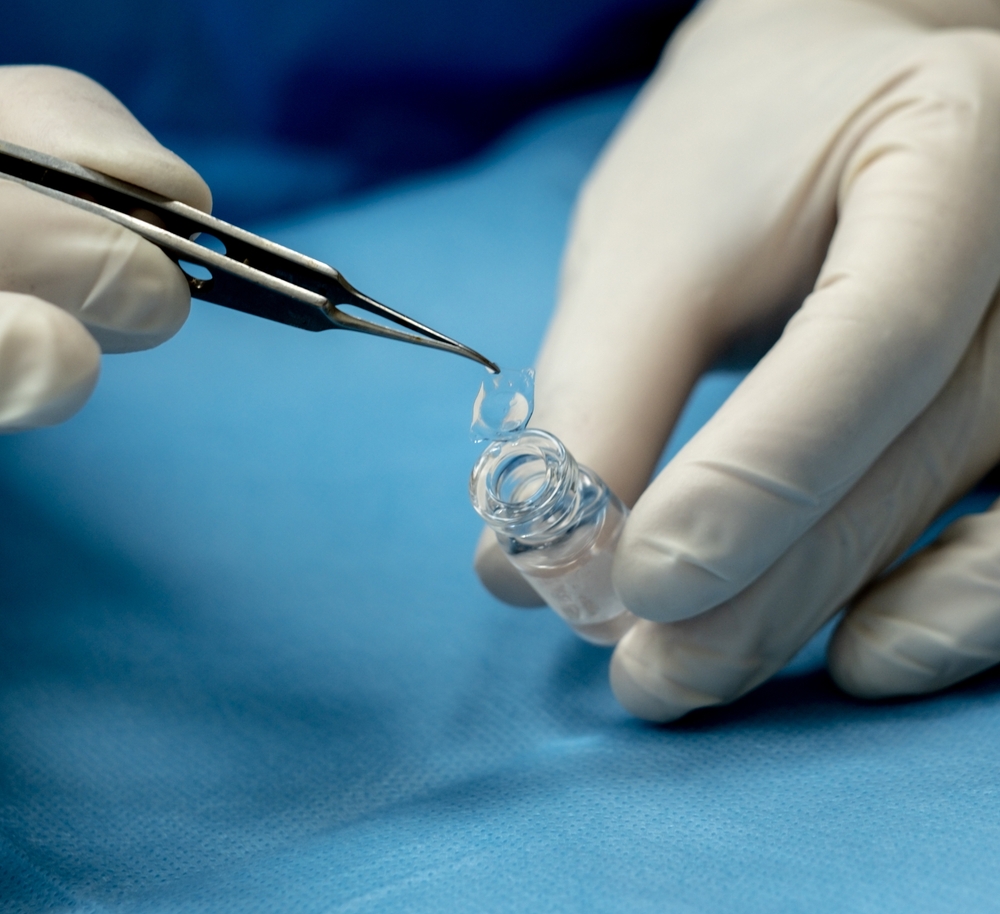
ICL is a high-tech intraocular lens that provides excellent optical quality for patients with high degrees of myopia and astigmatism. ICL lenses may also be well suited for treating some selected cases of keratoconus. High-precision, fully reversible visual correction

Surgery on Discover Vision for example to implant ICL lenses, in addition to being extremely precise, does not change the ocular structure in any way, being completely reversible. The lenses can be removed at any time or remain in the eye indefinitely.

Surprising results in the correction of myopia and astigmatism. Unique freedom experience for patients. The EVO Visian ICL is the evolution in visual correction designed to provide excellent refractive results and increase patient comfort. Here you can get evo icl surgery near me.

Some advantages of ICL lenses:

1-all-dry-eye

  • Does not cause dry eye syndrome
  • ICL lens implant treatment does not involve the removal of corneal tissue.
  • Therefore, it does not cause Dry Eye Syndrome.

2-all-UV-protection

  • Protection against UV rays
  • Lenses work as a UV protection barrier.
  • Effect guaranteed by the unique properties of Collamer.

3-is-compatible

  • Compatible and removable
  • ICL implantation or removal occurs without corneal tissue removal with 100% biocompatibility. Collamer, the material in EVO Visian ICL lenses, is no stranger to the chemical nature of the ocular system.

4-icl-quick-procedure

  • Fast procedure. Smooth recovery.
  • The procedure lasts between 20 and 30 minutes. In a few days, the patient can resume daily activities.

5-all-range-of-description

  • Wide range of prescription
  • Evo Technology supports corrections of up to 18 degrees.

Biocompatibility

Collamer® is a unique material that contains collagen; that means the lens is designed to be in harmony with your eyes.

  • Candidate profile for treatment with ICL lenses
  • Be over 21 years old;
  • Have not presented any change in prescription of more than 0.5 degrees in one year. Your case should be analyzed if you have already had refractive surgery with a laser.