Archive

September 2025

Browsing

When you hear a crack, it might not be thunder. Bone fractures happen more often than we think, and orthopaedic clinics are the go-to for patching things up. Whether it’s a fall from a bike or a slip on a wet floor, these clinics deal with various fracture types daily. If you’re wondering what a bone specialist in Singapore usually sees across their clinic desk, here’s the lowdown.

Simple Fractures

Also known as closed fractures, these are breaks where the bone snaps but stays under the skin. They may not look dramatic, but they still need professional care. X-rays help confirm the type and position of the break. Treatments often involve immobilisation, with casts or splints doing the heavy lifting.

Compound Fractures

Compound fractures raise the stakes. These involve a break where the bone pierces through the skin. That means there’s a risk of infection and usually a need for orthopaedic surgery in Singapore. Cleaning the wound, aligning the bone, and possibly inserting hardware like pins or plates are common steps in managing this injury.

Comminuted Fractures

When the bone doesn’t break in one or two pieces but shatters into several fragments, it’s known as a comminuted fracture. These are often seen in high-impact accidents like road collisions. Recovery takes time, and surgery may be required. A bone specialist in Singapore would often plan imaging follow-ups to ensure all the tiny pieces are healing in harmony.

Greenstick Fractures

Children have softer, more flexible bones. This makes them prone to greenstick fractures, where the bone bends and cracks without snapping completely. It’s a common sight in paediatric patients. Treatment usually involves gentle repositioning and bracing, allowing the bone to straighten as it heals.

Spiral Fractures

A spiral fracture happens when a twisting force causes the bone to break along a spiral line. These injuries often show up in sports-related mishaps. Due to the unique shape of the break, stabilisation is key. Depending on how clean the twist is, orthopaedic surgery in Singapore might be advised to ensure proper alignment.

Stress Fractures

Sometimes, bones don’t break all at once. Repetitive motion or overuse can cause small cracks, known as stress fractures. These are frequent among runners or athletes. Rest and activity modification are usually the frontline treatment. If ignored, the fracture can widen, making recovery longer than a marathon.

Impacted Fractures

An impacted fracture occurs when the ends of the broken bone are driven into each other. This can happen during a fall where the body absorbs the force through one limb. While it sounds bad, this type can sometimes be more stable than others. A bone specialist in Singapore may still recommend immobilisation or surgical support, depending on the situation.

Oblique Fractures

Oblique fractures occur at an angle across the bone. The slanted break may look clean on an X-ray, but movement can cause the edges to shift. Treatment varies depending on whether the break remains stable during healing. Orthopaedic clinics keep a close eye with scheduled check-ups.

Compression Fractures

Seen more often in older adults, particularly those with osteoporosis, compression fractures typically affect the spine. The vertebrae get squashed, leading to pain and height loss. A bone specialist in Singapore may recommend rest, pain control, or procedures like vertebroplasty if the collapse is severe.

Let’s Wrap It Up (Gently)

Bone fractures are no joke, but the right care can make the healing process smoother and safer. From kids with greenstick breaks to athletes with spiral twists, orthopaedic clinics are equipped to treat the whole range. With options for both surgical and non-surgical care, clinics offering orthopaedic surgery in Singapore cater to all levels of injury.

Contact Auspicium Orthopaedic Centre to schedule a consultation with a bone specialist in Singapore and get back on your feet the right way.

Varicose veins may seem like a cosmetic bother at first glance, but they often signal underlying issues with blood flow. If you’re considering varicose vein surgery, knowing what lies ahead can make all the difference. A consultation with a vascular surgeon in Singapore is usually the first step. Let’s take a walk down vein street, from pre-op prep to post-op recovery.

Preparing for the Procedure: Planning Ahead

The process starts with a consultation. A vascular surgeon in Singapore will assess your condition through a physical check-up and ultrasound. This helps locate the affected veins and determine the severity of the issue. Each treatment plan is customised based on your symptoms, vein condition, and health background.

Before the procedure, you may be asked to stop taking certain medications or supplements that increase bleeding risk. Smoking is discouraged as it slows recovery. On the day itself, you’ll need to avoid eating for a few hours, wear loose-fitting clothes, and have someone accompany you home. Think of it as trip prep, only the destination is better blood flow.

During Surgery: What Actually Happens

Varicose vein surgery might sound daunting, but it’s often an outpatient procedure with minimal disruption to your day. Many patients undergo endovenous treatments like laser therapy or radiofrequency ablation, which work by using heat to close off the problem veins. If the condition is more severe, methods such as vein stripping or microphlebectomy may be suggested. These are all forms of varicose vein removal.

The surgery is commonly performed under local anaesthesia. You’ll be conscious throughout, but discomfort is kept to a minimum. Most sessions wrap up in under two hours, and patients can usually head home the same day. Once the faulty vein is sealed, blood naturally finds its way through healthier neighbouring veins.

After the Surgery: Stepping Back into Your Routine

Recovery from varicose vein surgery is generally straightforward. You might experience mild bruising, swelling, or tenderness, but these are part of the healing process. Most people return to work within a few days, although heavy lifting and strenuous exercise are off the table for a week or two. Consider it your body’s way of saying, “Take a well-earned break.”

Compression stockings are often prescribed to help with healing and to prevent new varicose veins from forming. Wearing them as instructed supports your recovery and keeps things flowing smoothly. It’s also a good time to reassess lifestyle habits, like sitting or standing too long, as these can lead to vein trouble again.

Possible Risks: Knowing the Odds

Every medical procedure comes with a list of possible risks, and varicose vein surgery is no exception. Varicose vein removal can carry risks such as infection, nerve damage, blood clots, or recurrence, though these are uncommon. Your vascular surgeon in Singapore will walk you through these risks and help you decide whether the potential benefits outweigh the concerns. Staying informed is part of taking good care of your health.

Why Consider Surgery?

Surgery isn’t just for looks. While some people choose it for cosmetic reasons, others seek relief from aching, swelling, and heaviness in the legs. Varicose vein surgery can improve mobility, reduce discomfort, and prevent complications such as ulcers or deep vein thrombosis. Varicose vein removal is often part of managing these symptoms effectively.

Over time, untreated varicose veins can worsen, making early intervention a practical choice. With several minimally invasive options available, patients have more flexibility and less downtime than in the past.

The Role of Technology in Modern Treatments

One notable advancement is the use of ultrasound-guided techniques. These improve accuracy during vein closure and reduce complications. Techniques like endovenous laser therapy (EVLT) and radiofrequency ablation (RFA) offer controlled treatment with predictable outcomes. Instead of removing veins, these methods close them from the inside, leading to less pain and quicker recovery.

Another shift is the move toward outpatient settings. This lowers the cost, reduces hospital time, and simplifies aftercare. With real-time imaging and precision tools, today’s treatments are more efficient and patient-friendly.

Long-Term Care: Keeping Veins in Check

Surgery fixes the problem vein, but maintenance keeps the rest of your circulation in shape. Post-surgery, your specialist may suggest lifestyle tweaks like weight management, regular walking, and leg elevation when resting. These changes are small, but they add up to a big difference in how your legs feel and function.

Follow-up appointments will be scheduled to check healing and ensure no new issues have cropped up. Staying consistent with these checks helps keep future vein problems at bay.

Taking the Next Step Towards Healthier Veins

Now that you know what to expect before, during, and after varicose vein surgery, it’s easier to make an informed decision. With the right support and preparation, this common procedure can bring relief and help your legs feel lighter. Contact Cheng SC Vein and Endovascular to schedule a consultation and get your veins back on track.

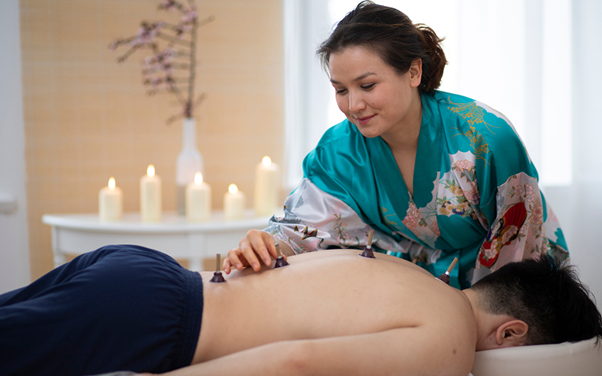
Feeling like a knotty mess after a week behind the desk or a long walk around town? You’re not alone. Full body massages are one of the simplest ways to help your muscles let go of tension and your mind unplug from the daily grind. But with different types of massage out there, it’s easy to get confused. Should you go with the smooth strokes of a Swedish massage, the tropical charm of Balinese, or dive into the deep end with Deep Tissue?

If you’re searching for a massage place in Singapore that offers proper techniques without the fluff, understanding the difference between these styles can make all the difference. Here’s a no-frills guide to help you pick the right one, whether you’re booking a pampering session in the city or dropping by a reliable massage spot in Ang Mo Kio.

Swedish Massage: The Starter Pack of Relaxation

Think of Swedish massage as the gateway option. It’s gentle, slow, and aims to get your body to calm down without digging into your muscles too much. Using long strokes, kneading, and light circular movements, this technique is all about improving blood flow and helping your muscles feel less stiff.

Most therapists use oil or lotion to reduce friction. Expect a full-body approach, starting from the back, moving to the legs, arms, and neck. The pressure is moderate and adjustable, making it suitable for beginners or those who just want to take the edge off a stressful week.

People often choose this option after long office hours or post-flight fatigue. If your main goal is to relax and reset, this is the type of massage that works well without leaving you sore the next day.

Balinese Massage: Tropical Vibes, Practical Pressure

Balinese massage is where things get a bit more colourful. Inspired by techniques from Indonesia, it blends gentle stretches, palm pressure, aromatherapy, and sometimes even reflexology. Compared to Swedish, the strokes are firmer, and therapists may spend more time working on muscle knots.

What makes Balinese massage stand out is its rhythmic pattern. It’s like your body goes on a holiday without leaving the room. Warm oils, scented or neutral, are often used to enhance the flow of the full body massage. This style is ideal if you want to relax but still feel like the therapist is getting some work done on tight areas.

If you’re based near the heartlands and searching for something more engaging, a massage in Ang Mo Kio might offer Balinese options with a local twist. Some therapists blend traditional Balinese with Chinese pressure techniques, depending on your request.

Deep Tissue Massage: Straight to the Point

Deep Tissue massage is better suited for those who can handle firmer pressure. It focuses on reaching the deeper layers of muscle and connective tissue, hence the name. The pressure is firm, and the strokes are slower, with a focus on areas that hold chronic tension, such as shoulders, neck, and lower back.

You might feel sore the next day, but in a “my muscles actually moved” kind of way. Deep Tissue is often recommended for people dealing with sports injuries, posture-related muscle pain, or long-term stiffness. The goal isn’t to relax you entirely, it’s to reset your muscles back to working order.

Therapists often use fingers, thumbs, elbows, and even forearms to press into tight zones. Some massage places in Singapore have therapists with physiotherapy training who offer a hybrid version of this technique, combining it with trigger point therapy for better results.

Choosing What Works for You

Each style serves a different purpose. If you want to wind down, go Swedish. If you want a relaxing session with some bite, Balinese fits the bill. If you want muscle work that addresses discomfort at the source, Deep Tissue is your go-to. Your choice should match your body’s needs and your pain tolerance.

Price, pressure, and comfort level also play a role. Swedish and Balinese massages are generally more wallet-friendly, while Deep Tissue may cost more due to the technique and skill involved. Most massage places in Singapore allow you to customise the pressure or even combine elements of two styles into one session.

It also helps to think about your weekly activities. Do you work out often? Then a Deep Tissue massage might help with muscle recovery. Do you spend long hours at your desk? A Swedish massage once a month might ease neck tension. Feeling stressed and restless? The rhythmic pace of a Balinese massage could hit the sweet spot.

Getting the Most Out of Your Massage

Don’t walk into a session expecting instant miracles. Let the therapist know what you’re dealing with,tight calves, lower back ache, or general fatigue. Stay hydrated before and after, and give your body time to rest post-session. Also, if you’re booking a massage in Ang Mo Kio or any neighbourhood clinic, look for licensed therapists. Professional training makes a big difference in effectiveness and safety.

Some places now offer express packages or longer sessions, depending on your schedule. It’s about listening to what your body needs,because when muscles talk, it’s better to pay attention early than deal with more serious problems later.

Your Body, Your Choice of Massage

Whether you’re curious about Swedish techniques, drawn to Balinese rhythm, or need the firm touch of Deep Tissue therapy, Capital Spa offers all three with professional care and flexibility. Contact Capital Spa to book your next massage and give your body the tune-up it deserves.

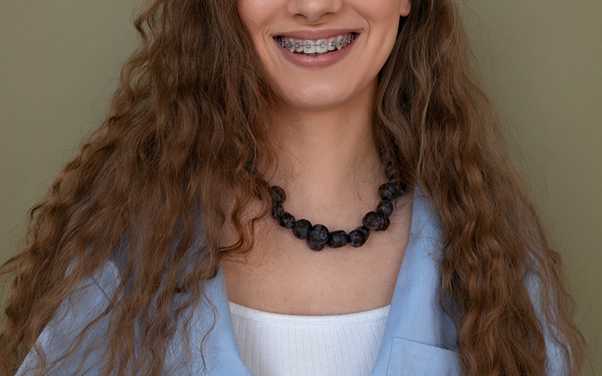
Budget is often a key concern for individuals exploring orthodontic treatment in Singapore. Due to the high cost of dental care, many turn to cheap braces as a seemingly practical alternative to conventional options. While these affordable solutions can correct misalignment issues effectively, they are not without limitations. Patients who are thinking about taking this path need to be realistic about what to anticipate, whether it be the extent of therapy, the care they will receive, or the long-term outcomes. Understanding these realities is essential before committing to any orthodontic plan.

Understanding What “Cheap” Actually Means

The term “cheap braces in Singapore” typically refers to orthodontic treatments that are significantly lower in price than those offered at premium dental clinics. These options may be available at dental schools, community clinics, or smaller practices trying to remain competitive. However, affordability does not always equate to low quality. In many cases, cheap braces may still be provided by a licensed orthodontist, especially if the clinic operates with lower overheads or receives subsidies. Still, there can be trade-offs in terms of customisation, technology, or clinic environment.

Treatment Duration May Be Longer

Cost-effective braces may rely on more traditional orthodontic techniques, which could extend the duration of treatment. For instance, while newer systems with advanced 3D planning and custom archwires can accelerate alignment, cheaper braces often follow standard protocols that may take two to three years to complete. Patients should anticipate a longer commitment and more frequent follow-up appointments, particularly if the clinic operates on a higher patient load per orthodontist.

Material and Aesthetic Limitations

One of the most visible differences with cheap braces is the type of materials used. Most low-cost options are metal braces, which are effective but more noticeable. Ceramic or clear braces, and especially clear aligners, typically come at a higher cost due to the materials and manufacturing process involved. Patients prioritising affordability will likely need to forgo discreet aesthetics and opt for metal brackets and wires, which remain effective but less visually appealing.

ALSO READ: How Orthodontic Treatment Can Help Gummy Smiles

Clinic Location and Support Services

Many affordable orthodontic services are offered in areas outside the city centre or through university dental programmes. While these setups can still provide competent care, patients should be prepared for longer wait times, less personalised service, and potential limitations in after-hours support. Unlike larger dental chains or private practices, budget clinics may not have the same level of infrastructure for emergency adjustments or rapid scheduling changes. This instance can be inconvenient during the active phase of orthodontic treatment.

Level of Experience and Supervision

Some clinics offering cheap braces may rely on general dentists with orthodontic training rather than a fully accredited orthodontist in Singapore. While this does not necessarily equate to poor outcomes, the complexity of a patient’s case should determine whether a specialist is required. Patients with severe misalignment, jaw issues, or multiple oral health concerns should prioritise seeing a certified orthodontist, even if it involves a higher upfront cost.

Final Outcome May Differ Slightly

Patients opting for lower-cost braces must accept that while the final alignment may still improve significantly, the results may not always be as precise as those achieved with advanced orthodontic technologies or specialist care. Additionally, long-term retention strategies like customised retainers may not be included in the basic package, which could impact the longevity of results if not properly managed.

Conclusion

Choosing cheap braces in Singapore is a sensible decision, particularly when money is the main barrier. However, setting realistic expectations is critical. The trade-offs typically involve longer treatment time, fewer aesthetic options, and potentially limited support. Consulting a qualified orthodontist to evaluate whether budget-friendly braces are suitable for your case is essential before proceeding.

Contact Align Braces Clinic and schedule a consultation with a professional orthodontist today.