Category

Health

Category

Budget is often a key concern for individuals exploring orthodontic treatment in Singapore. Due to the high cost of dental care, many turn to cheap braces as a seemingly practical alternative to conventional options. While these affordable solutions can correct misalignment issues effectively, they are not without limitations. Patients who are thinking about taking this path need to be realistic about what to anticipate, whether it be the extent of therapy, the care they will receive, or the long-term outcomes. Understanding these realities is essential before committing to any orthodontic plan.

Understanding What “Cheap” Actually Means

The term “cheap braces in Singapore” typically refers to orthodontic treatments that are significantly lower in price than those offered at premium dental clinics. These options may be available at dental schools, community clinics, or smaller practices trying to remain competitive. However, affordability does not always equate to low quality. In many cases, cheap braces may still be provided by a licensed orthodontist, especially if the clinic operates with lower overheads or receives subsidies. Still, there can be trade-offs in terms of customisation, technology, or clinic environment.

Treatment Duration May Be Longer

Cost-effective braces may rely on more traditional orthodontic techniques, which could extend the duration of treatment. For instance, while newer systems with advanced 3D planning and custom archwires can accelerate alignment, cheaper braces often follow standard protocols that may take two to three years to complete. Patients should anticipate a longer commitment and more frequent follow-up appointments, particularly if the clinic operates on a higher patient load per orthodontist.

Material and Aesthetic Limitations

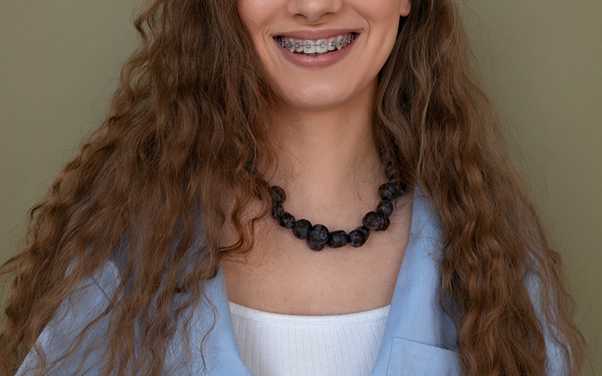
One of the most visible differences with cheap braces is the type of materials used. Most low-cost options are metal braces, which are effective but more noticeable. Ceramic or clear braces, and especially clear aligners, typically come at a higher cost due to the materials and manufacturing process involved. Patients prioritising affordability will likely need to forgo discreet aesthetics and opt for metal brackets and wires, which remain effective but less visually appealing.

ALSO READ: How Orthodontic Treatment Can Help Gummy Smiles

Clinic Location and Support Services

Many affordable orthodontic services are offered in areas outside the city centre or through university dental programmes. While these setups can still provide competent care, patients should be prepared for longer wait times, less personalised service, and potential limitations in after-hours support. Unlike larger dental chains or private practices, budget clinics may not have the same level of infrastructure for emergency adjustments or rapid scheduling changes. This instance can be inconvenient during the active phase of orthodontic treatment.

Level of Experience and Supervision

Some clinics offering cheap braces may rely on general dentists with orthodontic training rather than a fully accredited orthodontist in Singapore. While this does not necessarily equate to poor outcomes, the complexity of a patient’s case should determine whether a specialist is required. Patients with severe misalignment, jaw issues, or multiple oral health concerns should prioritise seeing a certified orthodontist, even if it involves a higher upfront cost.

Final Outcome May Differ Slightly

Patients opting for lower-cost braces must accept that while the final alignment may still improve significantly, the results may not always be as precise as those achieved with advanced orthodontic technologies or specialist care. Additionally, long-term retention strategies like customised retainers may not be included in the basic package, which could impact the longevity of results if not properly managed.

Conclusion

Choosing cheap braces in Singapore is a sensible decision, particularly when money is the main barrier. However, setting realistic expectations is critical. The trade-offs typically involve longer treatment time, fewer aesthetic options, and potentially limited support. Consulting a qualified orthodontist to evaluate whether budget-friendly braces are suitable for your case is essential before proceeding.

Contact Align Braces Clinic and schedule a consultation with a professional orthodontist today.

Welcome to the world of cosmetic dentistry. This is where art and science blend to create beautiful smiles. It starts with a simple step, like a dental cleaning Burbank. It leads to a chain reaction. It brightens your teeth. It boosts your confidence. It even changes the way people see you. It is more than just a dental cleaning. It’s the pathway to a perfect smile. This blog will guide you through that journey. A skilled cosmetic dentist in La Verne, CA can provide these treatments with precision, helping you achieve lasting beauty and confidence in your smile.

The Beauty of Cosmetic Dentistry

Cosmetic dentistry is a treasure chest. It holds various treatments aimed at improving your smile. It encompasses teeth-whitening, veneers, and even dental implants. The goal is simple. To make your smile the best it can be.

Teeth-Whitening: The Quickest Way to a Bright Smile

One of the quickest ways to a brighter smile is teeth-whitening. It’s like giving your teeth a fresh coat of paint. It eliminates stains and brings back the natural white. It’s not magic. It’s science. A Buckhead Atlanta dentist can provide professional whitening treatments that offer fast, reliable results for a brighter smile.

Veneers: The Shield of Perfection

Then, we have veneers. They are like shields for your teeth. They cover imperfections. They resist stains. They give you the perfect smile you’ve always wanted. They are custom-made. They suit you. They fit you. They become a part of you.

Cosmetic Dentistry

Dental Implants: The Pillar of Lost Confidence

Dental implants are pillars of strength. They fill the void left by missing teeth. They make your smile whole again and with that, they bring back lost confidence. They help you get back to being you.

Here’s a Quick Comparison

Let’s break it down. Here’s a quick comparison of these treatments:

Treatment Description Duration
Teeth-Whitening Removes stains and discoloration A few weeks
Veneers Covers imperfections A few months
Dental Implants Fills the gap left by missing teeth Several months

Conclusion

So, there you have it. That’s a quick tour of cosmetic dentistry. It’s not just about dental cleanings. It’s about finding the perfect path to your perfect smile.

Cosmetic dentistry offers a way out for those battling bruxism and teeth grinding. You might think that these issues have no solution. Think again. Options like cosmetic dentistry and oral surgery Maryland offer answers. Dentists use these methods to mend damaged teeth. They restore your smile and your peace of mind. No more grinding. No more pain. Just a bright, confident smile.

What is Bruxism?

Bruxism is a condition where you grind, gnash, or clench your teeth. Some do it during the day. Others do it in their sleep. It can lead to tooth damage. It can make your teeth hurt. Sometimes, it can even cause headaches. But there is a solution. It’s called cosmetic dentistry. A dentist in Dearborn Heights can help diagnose bruxism and recommend cosmetic solutions to repair damage and protect your teeth.

Cosmetic Dentistry: A Closer Look

Cosmetic dentistry isn’t just about looks. It’s also about health. It helps to fix the damage caused by bruxism. Treatments like veneers, crowns, and bonding can help protect your teeth. They can also make them look better. So, you can stop the damage and get a better smile at the same time. With professional dental care Brookline, you can access these treatments safely while improving both the health and appearance of your teeth.

Oral Surgery in Maryland

In more severe cases, oral surgery might be needed. This can help to repair or replace damaged teeth. It can stop the pain. And it can give you a smile that you’re proud to show off.

Comparing Cosmetic Dentistry and Oral Surgery

Both cosmetic dentistry and oral surgery can help with bruxism. But they are different. Here’s a quick comparison:

Cosmetic Dentistry Oral Surgery
Helps to protect and improve the appearance of teeth. Used to repair or replace severely damaged teeth.
Procedures are often quick and painless. Some procedures might require a longer recovery period.
Can usually be done in a dentist’s office. Some procedures might require a hospital stay.

Still wondering what’s best for you? Talk to a professional. They can help you decide.

A Final Word

Bruxism and teeth grinding can be tough. But remember, you’re not alone. There are options out there. Cosmetic dentistry and oral surgery are just two of them. So don’t lose hope. There is a solution waiting for you.

When you think of medical packaging, what comes to mind? A sterile plastic tray? A sealed pouch? Most people overlook how vital it is. In healthcare settings, packaging safeguards patients, ensures product efficacy, and keeps regulators happy. Yet behind that crisp seal lies a world where design, material science, and compliance converge. Let’s explore what makes medical packaging more fascinating than you might imagine.

Smart Choices for Safer Packaging

Choosing the right material matters more than aesthetics. Pick materials that maintain sterility, like medical-grade PETG trays or sterilisation-compatible clean bags, in industry-standard products. These need to maintain integrity through radiation, sterilisation, and storage, without releasing dust or particulates.

Don’t assume that a costlier option always works best. For instance, metal foil wraps offer superb barrier protection. Unless your device needs complete oxygen impermeability, foil might add unnecessary cost and complexity. Balanced material choice is smart. Use what fits the product, not the latest trend.

Understand that medical packaging typically includes three layers: primary (in direct contact with the device), secondary (grouping and branding), and tertiary (shipping). Ignoring any of these can lead to contamination, damage during transit, or regulatory issues.

Regulatory compliance is another critical area. Do adhere to ISO and FDA requirements for sterile barrier systems, as reputable suppliers emphasise. Testing packaging with real sterilisation cycles is crucial. Don’t skip proper validation. Skipping steps can cost recalls or, worse, risk patient safety.

Creating Smarter Medical Packaging Solutions

First, incorporate user-centred design into your packaging. Medical trays and devices are often used in high-pressure situations like surgeries, so they must be easy to open, intuitive, and safe. Investing in design up front reduces errors in critical moments. Simplicity matters: clear peel-off edges, tactile grips, and logical layout improve usability.

Next, consider active and intelligent packaging. Embedding oxygen scavengers, moisture indicators, or temperature strips can inform users about payload integrity at a glance. These features can extend shelf life and reduce wasted stock while signalling issues early.

Moisture control is often overlooked, but it is vital. Including desiccant strips or vials is inexpensive. It is essential to protect moisture-sensitive pharmaceuticals and medical devices. Without them, packaging may degrade performance or lifespan, undermining product reliability.

Work with suppliers who offer custom trays and clean bags tailored to device geometry and use case. Custom thermoformed trays protect delicate components and organise sterile kits. Users can stay organised during procedures.

Last tip: sustainability is gaining traction. Recycled PET or mono-material films can balance functionality with environmental responsibility. Explore recyclability without compromising sterility or product safety.

The Hidden Problems Behind the Sealed Pack

Even the best medical packaging comes with challenges. One major concern is the trade-off between single-use convenience and environmental impact. Single-use sterile packs reduce infection, risk and workload, but they generate significant plastic waste. Healthcare systems worldwide are grappling with balancing safety and sustainability.

Another punchy issue: counterfeit and tampering risk. As packaging becomes more advanced, so do the tactics of counterfeiters. Effective anti-tamper seals, holograms, and serialisation systems (e.g., UDI) are necessary, but these can increase costs and complexity.

You also face regulatory challenges. Packaging for pharmaceuticals might fail when applied to medical devices. Different sterilisation processes, materials, and residual controls apply. Misidentifying your product category can delay approvals or cause batch rejections.

Finally, over-engineering is real. Some packaging solutions combine high-barrier films, active indicators, and complex trays. They reduce issues, but increase cost, weight, and logistical burden. The challenge is delivering safety without forcing healthcare budgets to break or impacting shipping sustainability.

Don’t Underestimate the Power of Medical Packaging

Far more than a container, medical packaging acts as a guardian, protecting sterility, aids compliance, and enabling safe use. Success lies in balancing materials, design, cost, and preparing for regulation, counterfeits, and sustainability. Whether you’re a med‑tech startup, procurement officer, or regulator, follow best practices and avoid common missteps: choose materials wisely, design with users in mind, equip for moisture and tamper protection, and submit packaging to validation.

Curious about how packaging can improve your product’s safety and usability? Explore custom, validated solutions with Dou Yee today to see the impact firsthand.