
Tag

oral hygiene

Browsing

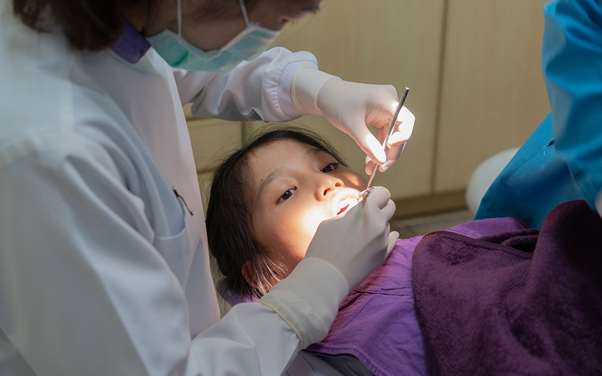
Visiting a new family dentist can be an unfamiliar experience, especially if you’re seeking care for both adults and children. Whether you’ve recently moved to Novena or are switching providers, knowing what to expect during your first appointment helps ease any anxiety and ensures you’re well-prepared. A dentist in Novena offering family dental services typically caters to all age groups, focusing on preventive care and patient education. Understanding the common steps involved during your first visit and what documents to bring can ensure you make the most of your appointment.

Booking and Preparing for Your Appointment

When you first contact a family dentist, the clinic will request basic details such as medical history, previous dental treatments, and specific concerns. This allows the dental team to create a tailored approach for each family member. If you’re visiting a dentist in Novena with your child, bring along any previous dental records if available, and prepare your child by explaining what a dentist does in simple terms. Being transparent helps children develop trust and reduces anxiety.

Some clinics may require you to list down medications or health conditions, especially if they could affect treatment. For example, individuals with diabetes or heart conditions may require specific care protocols. Remember to note any symptoms you’ve experienced recently, such as tooth sensitivity, bleeding gums, or jaw discomfort. This information helps the dentist address current concerns efficiently during your first consultation.

Questions to Ask During Your First Visit

To make your visit more productive, consider asking relevant questions. For example, if you’re concerned about gum sensitivity or frequent cavities, ask for advice on preventive care. If you’re looking for guidance for your child, enquire about fluoride treatments, sealants, or tips for brushing correctly.

Understanding the clinic’s approach to long-term dental care is also crucial. Enquire about scheduling regular check-ups, managing dental anxiety, and emergency procedures. This approach ensures you’re addressing your immediate concerns and planning for consistent care moving forward.

What Happens During the Initial Check-Up

The first visit typically starts with a comprehensive oral examination, where the dentist will inspect for cavities, gum health, jaw alignment, and any signs of oral diseases. They may take X-rays if needed, especially if it’s been a while since your last set. For children, the dentist may assess tooth development and spacing to ensure healthy oral growth.

Your family dentist will also discuss oral hygiene practices and offer tips specific to each family member’s age group. You might also receive a professional cleaning, depending on the clinic’s procedures and the condition of your teeth. This process includes scaling to remove plaque and tartar build-up, followed by polishing for a smooth finish. If any immediate issues are detected, the dentist may propose a follow-up visit or further diagnostics.

Understanding Family Dental Plans and Follow-Ups

After the check-up, the dental team will usually discuss any recommended treatment plans, including fillings, orthodontic assessments, or regular cleanings. They’ll also advise how often each member of your family should return for check-ups, typically every six months. A dentist in Novena may also offer additional services such as oral cancer screenings or night guards for those who grind their teeth.

Many family dentists provide appointment reminders or flexible booking options, which can be helpful for households with tight schedules. Some clinics also offer family packages, which allow multiple members to receive care on the same day, saving both time and travel.

Conclusion

Your first visit to a family dentist in Novena establishes a foundation for long-term oral health for you and your loved ones. From comprehensive evaluations to tailored advice, a good first impression sets the tone for consistent dental care. Ask questions, be open about your needs, and follow through with recommendations to get the most out of your visit.

Visit Happy Teeth Family Dental today to discover how to start building a reliable dental care routine together.

 

A bright, healthy smile often says a lot about your overall well-being.  Caring for your teeth and gums isn’t just about looks; it plays a big role in your general health, too. If you’re prepared to manage your dental care more effectively, you’ve come to the right spot.

Here are some useful suggestions you can effortlessly include in your everyday life, as well as how selecting an affordable dental clinic in Singapore, such as one located in Ang Mo Kio, can aid your path to improved oral health.

1. Stick to a Steady Brushing Routine

Proper oral care begins with brushing your teeth correctly and maintaining a routine. Aim for two comprehensive sessions each day, with each lasting no less than two minutes. Use a toothbrush with gentle bristles and fluoride toothpaste. Ensure to clean all regions: the front, back, and chewing surfaces of each tooth.

2. Make Flossing a Daily Habit

Brushing by itself cannot access every corner and crevice, particularly between the teeth and beneath the gum line. This is when the use of dental floss becomes important. Try to floss at least once a day, ideally in the evening before bedtime. This helps avoid tooth decay and gum issues. If standard floss doesn’t appeal to you, you might opt for interdental brushes or a water flosser instead. The important factor is to be consistent, no matter which approach suits you most.

3. Pay Attention to What You Eat

What you eat (and drink) matters more than you might think. Sweet treats and sour beverages can erode enamel and lead to cavities over time. Try to cut back on sweets, soft drinks, and highly processed foods. Instead, go for a balanced diet filled with fresh fruits, vegetables, lean proteins, and dairy products and drink lots of water, it helps wash away food bits and neutralises acids in your mouth. Not sure how your diet is affecting your teeth? A visit to an affordable dental clinic in Singapore can help you fine-tune your eating habits for better oral health.

4. Stay Hydrated

This one’s simple but powerful. Water is your mouth’s best friend. It rinses away leftover food, reduces acid buildup, and keeps your mouth from drying out. Staying hydrated supports everything else you’re doing to maintain a healthy smile. Water helps to wash away food debris and keeps your mouth moist, which is important for preventing dry mouth – a condition that can increase your risk of cavities and gum disease. Saliva plays a vital role in neutralising acids and remineralising tooth enamel, and adequate hydration supports healthy saliva production.

ALSO READ: How Do I Find The Right Denture Dentists Near Me?

5. Don’t Skip Dental Check-ups

Even if you’re great about brushing and flossing, regular dental visits are a must. Dentists can catch problems early, before they become bigger (and more expensive) issues. Routine cleanings also remove tartar buildup that brushing alone can’t handle. Consider visiting an Ang Mo Kio dental practice for your routine check-ups and professional cleanings if you’re nearby, it’s worth finding a clinic for easy access. Affordable dental clinics in Singapore, including those in Ang Mo Kio, can help you stay ahead of dental issues and avoid more serious treatments down the road.

6. Break Harmful Habits

Certain everyday habits can really do a number on your teeth. Smoking, for example, raises your risk of gum disease, tooth discolouration, and even oral cancer. Biting ice or using your teeth to pry open items may appear safe, but it can result in cracks or chips.  If you’re dealing with any of these habits, your dentist can help you find better alternatives. Affordable dental clinics in Singapore offer practical, judgment-free support to help you protect your smile.

7. Listen to Your Mouth

Toothaches, sensitivity, bleeding gums, these are all signs that something’s not right. Don’t ignore them. The quicker you seek examination, the simpler it becomes to address the problem.  Quick action can prevent more complex problems and keep your treatment simple. If you are experiencing any discomfort, reaching out to an Ang Mo Kio dental practice or any other reputable dental clinic in Singapore for an urgent appointment is highly advisable.

Taking better care of your teeth doesn’t have to be complicated. By following these seven simple tips, you’re investing in a healthier smile and better overall health. Whether you’re brushing more mindfully, rethinking your diet, or seeking out an affordable dental clinic in Singapore for regular check-ups, each small step counts.

Contact Frank Dental to book your next appointment and talk to a friendly dental professional about your oral health goals.

Bleeding gums can be a common yet concerning issue, often indicating underlying dental problems or poor oral hygiene practices. Understanding how to prevent bleeding gums is crucial for maintaining overall oral health. This article explores essential oral hygiene tips to help you keep your gums healthy and free from bleeding.

Understanding Bleeding Gums

Bleeding gums are often a sign of gingivitis, the earliest stage of gum disease. This condition arises when plaque—a sticky film of bacteria—builds up on your teeth, causing inflammation of the gums. 

If left untreated, gingivitis can progress to periodontitis, a more severe form of gum disease that can lead to tooth loss. While occasional bleeding may not be alarming, consistent bleeding gums should prompt a visit to a dental professional.

Maintain a Consistent Oral Hygiene Routine

The foundation of preventing bleeding gums lies in a consistent oral hygiene routine. Brush your teeth at least twice a day, using a fluoride toothpaste. A soft-bristled toothbrush is ideal, as it effectively cleans teeth without causing additional irritation to your gums. Remember to brush for at least two minutes, ensuring you reach all surfaces of each tooth.

Flossing daily is equally essential. Flossing removes food particles and plaque from between your teeth and along the gum line, areas where your toothbrush may not reach. Be gentle while flossing to avoid damaging your gums. If you experience bleeding while flossing, it may indicate inflammation, and it’s important to continue flossing as this will help reduce the bleeding over time.

Use Mouthwash Regularly

Incorporating an antimicrobial mouthwash into your oral hygiene routine can significantly benefit gum health. Mouthwash can help reduce plaque, bacteria, and inflammation in the mouth. Choose a mouthwash that contains chlorhexidine or cetylpyridinium chloride, as these ingredients are effective against gingivitis and help in keeping bleeding gums at bay.

Gargling with mouthwash after brushing and flossing provides an additional layer of protection, ensuring that harmful bacteria are removed. However, avoid using mouthwash immediately after brushing, as it can wash away the fluoride from your toothpaste.

Oral Hygiene

Keep an Eye on Your Diet

Your diet plays a vital role in oral health and can impact the condition of your gums. Consuming a balanced diet rich in vitamins and minerals, particularly vitamin C and calcium, is essential for maintaining healthy gums. Foods such as fruits, vegetables, whole grains, lean proteins, and dairy can strengthen your gums and teeth.

Conversely, sugary and acidic foods can contribute to plaque formation and gum disease. Limiting these foods can help reduce the risk of developing bleeding gums. Drinking plenty of water throughout the day also helps rinse away food particles and bacteria, contributing to overall oral hygiene.

Avoid Tobacco Products

Tobacco use significantly increases the risk of gum disease and other oral health problems. Smoking and chewing tobacco can hinder blood flow to the gums, making it harder for them to heal and increasing the risk of infection. If you currently use tobacco products, seek assistance to quit, as this will greatly improve your gum health and reduce the likelihood of bleeding gums.

Regular Dental Check-Ups

Routine dental visits are crucial for preventing and addressing gum issues before they escalate. Aim to see your dentist at least twice a year for professional cleanings and check-ups. During these visits, your dentist can identify early signs of gum disease, provide tailored advice, and perform thorough cleanings that remove plaque and tartar buildup.

If you have a history of gum disease or other oral health issues, your dentist may recommend more frequent visits. Early intervention can prevent more severe complications, including persistent bleeding gums.

Manage Stress Effectively

Stress can have various effects on your health, including your oral health. High-stress levels can lead to poor oral hygiene habits, teeth grinding, and an increased risk of gum disease. Engage in stress-reducing activities such as exercise, meditation, or hobbies you enjoy. Maintaining a healthy work-life balance can contribute to better overall health and help prevent conditions that lead to bleeding gums.

Recognize the Signs of Gum Disease

Being aware of the signs and symptoms of gum disease can aid in early detection and treatment. Besides bleeding gums, other symptoms include swollen or tender gums, persistent bad breath, and receding gums. If you notice any of these signs, it’s essential to consult a dental professional promptly to address any issues before they worsen.

Conclusion

Bleeding gums should not be ignored, as they can signify a larger problem with your oral health. By maintaining a consistent oral hygiene routine, being mindful of your diet, avoiding tobacco, and scheduling regular dental check-ups, you can significantly reduce the risk of bleeding gums. 

If you experience ongoing issues, consult with your dentist to ensure that you maintain a healthy smile for years to come. Remember, prevention is always better than cure when it comes to your dental health.

Receding gums, commonly known as gingival recession, is a common dental problem that can affect persons in Brookline and worldwide. It happens when the tooth roots are exposed due to deterioration or retraction of the gum tissue around the teeth. If left untreated, this problem not only compromises the appearance of your smile but also puts your oral health in danger, explains dental care in Brookline.

Causes of Receding Gums

While it is important to brush your teeth properly, aggressive brushing with a hard-bristled toothbrush or in the wrong manner can cause wear on both enamel and gums which facilitates recession.

  • Gum Disease: Periodontal diseases are infections of the gums and bone that hold teeth in place, they can cause gum tissue to pull away from a tooth becoming exposed which results with recession.
  • Hormonal Changes: Hormones fluctuate during periods of life such as puberty, pregnancy, and menopause which can make gums sensitive.
  • Tobacco: Smoking or consuming tobacco turns into a source of blockage within the blood flow to your gums which makes them more prone to infections and receding.

Symptoms of Receding Gums

Evaluate Yourself for Receding Gums The signs most closely associated with receding gums are tooth sensitivity and cosmetic appearance.

  • Exposed Tooth Roots: As the gums recede, your teeth can appear longer than normal.
  • Enhanced Tooth Sensitivity: Uncovered tooth roots may cause your teeth to be extremely sensitive, especially when eating or drinking hot, cold, and sweet stuff.
  • Inflamed Gums: Swelling along the gumline could be an indication of gingivitis or periodontitis.
  • Loose Teeth: If gum recession continues, and the bone that attaches to the tooth is destroyed, teeth will become loose or shift in your mouth.

Receding Gums Solutions

Receding Gum

The severity of gum recession is evident in treatment. The following considers the severity of gum recession evident in a procedure for treating

  1. Better Oral Hygiene: Practices such as good brushing habits with a soft-bristled toothbrush and daily flossing can prevent an additional recession.
  2. Dental Cleanings: Cleaning by a dentist or dental hygienist can efficiently scrape tartar and plaque off the teeth, leading to gum disease and recession.
  3. Gum Grafting: If the gum disease is more severe, a surgical procedure known as gum grafting may be required. This typically involves harvesting tissue from another part of the mouth (or using donor tissue) to graft onto your shrinking gums, covering up areas where tooth roots have been left exposed, and replenishing gum growth.
  4. Scaling and Root Planing: This deep-cleaning procedure removes plaque and tartar from under the gum line using a scaler or scaling device.
  5. lifestyle changes: Quitting smoking, managing stress better, and eating a healthier diet You can improve the health of your gums overall so that no more gum retraction occurs.

When it Is Time to Visit a Dentist in Brookline

If you are noticing the warning signs of receding gums, for example, increased tooth sensitivity or even seeing a portion of your tooth root peeking out from under your gum line, you must get yourself to see a pro and have them evaluate what solutions can be obtained to fix this problem. This will stop the damage already done and preserve your tooth, gum tissue, and better oral health.

Knowing the causes, symptoms, and treatment of receding gums is crucial in maintaining excellent dental health within Brookline. Gum recession is treatable however good oral hygiene, lifestyle changes when appropriate, and seeking dental care promptly can help you avoid this becoming a complication. Your dentist can provide you with tailored recommendations and treatment options suited to your dental needs. With proper steps to be proactive now, you can keep your smile and promote overall better health in the future.