
Archive

April 2023

Browsing

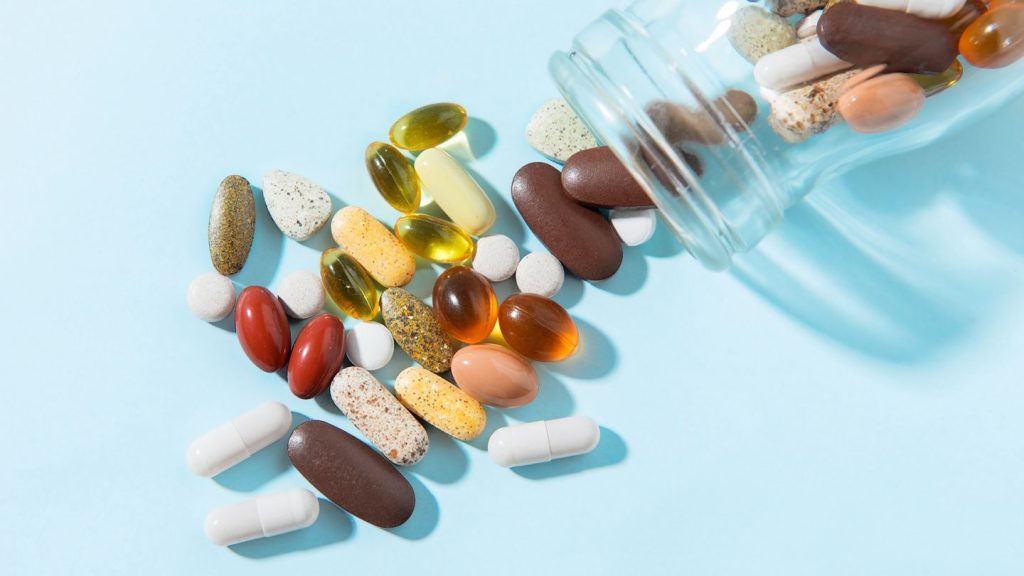
Health supplements have become increasingly popular in recent years as people seek to improve their overall health and well-being. These supplements can come in the form of pills, powders, liquids, or other forms, and are designed to provide a range of nutrients that may not be present in our regular diet.

However, with so many different types of health supplements available, it can be difficult to determine which ones are right for you.

In this ultimate guide, we’ll take a closer look at health supplements and provide you with everything you need to know to choose the right ones to suit your needs.

Why Do We Need Health Supplements?

Before diving into the guide, it’s important to understand why health supplements can be beneficial. While a healthy, balanced diet is the best way to obtain all the necessary nutrients, vitamins, and minerals our body needs, sometimes we may not be able to get enough of these essential elements through our food alone. This could be due to dietary restrictions, certain health conditions, or even lifestyle factors.

Health supplements are designed to fill in these nutritional gaps and ensure that our bodies have everything they need to function at their best. They can provide a range of benefits, including boosting our immune system, improving our energy levels, and supporting overall health and wellness.

Types of Health Supplements

There are a wide range of health supplements available on the market today, each designed to target specific health concerns or needs. Here are some of the most common types of health supplements:

  1. Multivitamins

These supplements contain a blend of essential vitamins and minerals, providing a convenient way to ensure you’re getting all the nutrients your body needs.

  1. Omega-3 fatty acids

These supplements are typically derived from fish oil and can provide a range of benefits, including supporting heart health and reducing inflammation.

  1. Probiotics

These supplements contain beneficial bacteria that can help support gut health and improve digestion.

  1. Vitamin D

This vitamin is essential for maintaining strong bones and supporting the immune system. Many people don’t get enough vitamin D through their diet alone, making supplementation necessary.

  1. Protein powders

These supplements are often used by athletes or those looking to build muscle mass. They can be made from a range of sources, including whey, soy, or pea protein.

  1. Herbal supplements

These supplements can be made from a range of plants and herbs and are designed to provide a range of health benefits, from reducing stress and anxiety to boosting energy levels. Five Ele is a leading herbal supplement store in Malaysia serving products to target all kinds of health issues.

Choosing the Right Health Supplements

Now that you have a better understanding of the types of health supplements available, it’s time to choose the right ones to suit your needs. Here are some key factors to consider:

  1. Your Health Goals

Before choosing a health supplement, it’s important to consider what you hope to achieve. Are you looking to boost your energy levels, improve your immune system, or support your digestive health? Once you have a clear goal in mind, you can choose a supplement that is specifically designed to meet those needs.

  1. Quality and Purity

When choosing a health supplement, it’s important to look for one that is high quality and free from harmful additives or contaminants. Look for supplements that have been third-party tested and certified to ensure purity and potency.

  1. Form and Dosage

Health supplements come in a range of forms, including pills, powders, liquids, and gummies. Consider what form will be most convenient for you to take and make sure to follow the recommended dosage instructions.

  1. Ingredients

Finally, make sure to carefully review the ingredients list of any health supplement you are considering. Look for supplements that contain high-quality, natural ingredients that are backed by scientific research. Avoid supplements that contain unnecessary fillers, artificial colors or flavors, and other potentially harmful additives.

In conclusion, choosing the right health supplements can be a daunting task, but with a little research and careful consideration, you can find the ones that will provide the most benefit for your health and well-being. Remember to set clear health goals, look for high-quality and pure supplements, consider form and dosage, and review ingredients before making your selection. With the right health supplements, you can support your body’s natural processes and achieve optimal health and wellness.

Breast cancer is one of the leading causes of death in women in the United States. The condition has no known cure, and thus, early detection is the best way to fight against it. While mammograms and regular visits to the doctor are recommended, many doctors suggest women learn about self-examination techniques. This will help you understand what is normal and not normal for your breasts. 

If you notice breast changes, you should consult with your doctor as soon as possible. While most changes people find in the self-examination have non-serious causes, it may still help notice changes that might detect breast cancer. Visit a mammography screening clinic for a professionally and medically-done breast examination. 

Steps to examine your breasts for abnormalities 

  • Begin with a visual examination. 

Sit or stand before the mirror and look for the following: 

  • Changes in shape, size, or symmetry. 
  • Check if your nipples are inverted. 
  • Raise your arms over your head, press your palms together, and check your breasts. 
  • Press your hands down on your hips and inspect your breasts. 
  • List your breasts and check whether the ridges along the bottom are symmetrical. 
  • Perform a manual inspection while lying down. 

Here are the steps to perform a manual inspection of your breasts while lying down: 

  • Lie down on your couch or bed.
  • Put your left hand behind your head. 
  • Using your right hand, manually inspect your left breast using the same techniques listed in point 1. 
  • Once done, do the same with your left hand to inspect your right breast. 

What is considered normal?

You may find lumps in your breasts but do not panic, as most of them are not due to something serious. Most women are bound to find lumps in their breasts as these are normal to occur at some point in their menstrual cycle. If you feel like the look of your breast has changed, that is also not a concern since your breasts will change their look as you age. 

When should you contact a doctor? 

Make an appointment with your doctor if you see the following changes: 

  • Dimples, bulges, wrinkles, or ridges on the skin of your breast.
  • Bloody nipple discharge.
  • Redness, warmth, swelling, or pain.
  • A hard lump near your underarm.
  • Itching, scales, rashes, or sores.
  • A recent change in the nipple caused it to become pushed in instead of sticking out. 

Your doctor may recommend a mammogram and additional tests. 

Introduction –

When does discomfort indicate a problem? Sadly, a common injury is frequently overlooked due to its lack of obviousness in comparison to fractures or broken bones. Could the aggravation or detachment you’re feeling in a piece of your body be the consequence of a subluxation? We should investigate this treatable condition that can influence the manner in which we feel and move. So, lets look at how the subluxation effects the body. A subluxation is an incomplete disengagement inside the body. Most of the time, this dislocation occurs in a joint. For serious pain and discomfort caused by joint subluxations, many people seek chiropractic care.

Spinal Subluxation –

Any age group can suffer from a subluxation. As a matter of fact, even kids are powerless to subluxations that come about because of being gotten or tenderly pulled by their parental figures. Subluxations can manifest in a variety of body parts. Let’s take a look at the most common joint subluxations that a lot of people aren’t aware they have! A spinal subluxation frequently happens following a mishap that outcomes in injury to the spine. The most common cause of the pain is a nerve injury and a compressed spinal cord. Even if the patient does not have any specific injuries, the vertebra may also be partially dislocated.

Tedious Movements Can Cause Subluxation –

Trauma can cause a shoulder subluxation of the A type. It can likewise be welcomed on by tedious movement. That is one reason why competitors who swim or play tennis frequently look for changes for this condition. The ball of your upper arm actually separates from your shoulder socket in a shoulder subluxation. You have motivation to associate a subluxation in the event that you’re having sentiments with agony or detachment in your shoulder. The sensation that your shoulder is slipping in and out of the joint may also occur. A patellar subluxation is frequently the cause of common knee pain. When your kneecap is partially detached from the groove that holds it to the end of your thigh bone, this is what happens. You might have vibes of detachment or partition after a mishap or fall. Likewise, conceivable general “mileage” is at fault. A reshaped knee is a tell-tale sign of patellar subluxation.

Causes for the Same –

Following a high-impact fall in which you land on your hands, elbow subluxations frequently occur. Pulling or tugging can also cause one. Even if you are in pain due to an elbow subluxation, you will typically still be able to move your arm. Let’s look at some of the main causes of subluxations.  Subluxations can be caused by two main things. The first is what happens when an accident happens. Joints can become partially dislocated as a result of anything from a car accident to a bad fall on the pavement. Unfortunately, post-accident examinations frequently overlook subluxations due to their subtlety. It is even harder to identify this condition when you can frequently maintain at least some degree of motion in the affected area. Obviously, subluxation-related pain, discomfort, and swelling can make life difficult.

Who Are in Danger of Subluxation?

Even if you haven’t been hurt in an accident or fall, subluxations can still happen “spontaneously.” A possible cause is joint weakness. A person who has a medical condition that makes their joints more flexible is definitely more likely to get hurt. Pregnant ladies are additionally in danger for subluxations during pregnancy in light of the manner in which pregnancy chemicals release tendons and joints. Moreover, individuals who have performed tedious movements because of explicit games, activities or occupation obligations are in danger for subluxations.

Introduction –

In this guide, we will be looking at dysautonomia and what are the causes for the same, and what is it exactly. An autonomic nervous system (ANS) dysfunction is known as dysautonomia. The ANS is in charge of involuntary functions like breathing, which occur without thinking. The sympathetic and parasympathetic parts of the ANS usually fail in dysautonomia. The issue can incorporate a wide range of medical issue caused by issues with the ANS. Dysautonomia can result from excessive activity as well as ANS malfunction. It can appear in the body in various ways. Dysautonomia can occur in, people, as in reflex sympathetic dystrophy, which typically results in persistent pain in an arm or leg. Generalized, as in pure autonomic failure, which spreads throughout the body.

Dysautonomia Variations –

Hypertension or high blood pressure, as well as a rapid heart rate, can be symptoms of excessive sympathetic activity. Guillain-Barré syndrome, for example, has severe, sudden, and reversible symptoms. Dysautonomia, on and on, getting worse over time, is a common complication of diabetes and alcoholism. Dysautonomia can also occur in conjunction with or as a primary or main condition: Multiple system atrophy familial dysautonomia, degenerative neurological diseases like Parkinson’s disease The outlook for people with dysautonomia varies from case to case. Any underlying disease that is treated may help the disorder get better. Primary dysautonomia treatment frequently alleviates symptoms. A high-salt diet, water bolus (rapid infusion of water given by IV needle), and medications like fludrocortisone and midodrine are all ways to combat orthostatic hypotension.

Autonomic Dysfunction –

Long-term outcomes are generally poor for individuals with generalized chronic dysautonomia and degeneration of the central nervous system. It is also important for people to learn as to who can develop dysautonomia. Dysautonomia, also known as autonomic neuropathy or autonomic dysfunction, is fairly common. Around the world, it influences in excess of 60 million individuals. It very well may be available upon entering the world or show up progressively or out of nowhere at whatever stage in life. Dysautonomia can range in severity from mild to severe and occasionally even fatal. Women and men are equally affected. Dysautonomia can happen just like own problem, without the presence of different sicknesses. This is called essential dysautonomia. It could also be a symptom of another disease. Secondary dysautonomia is the name.

Secondary Dysautonomia –

Secondary dysautonomia can occur in the following conditions: Diabetes. Alzheimer’s disease. Sclerosis of the muscles. arthritis with rheumatoid. Lupus. Syndrome of Sjogren’s. Sarcoidosis. Ulcerative colitis and rheumatoid arthritis Celiac infection. The Charcot-Marie-Tooth condition. malformation of the Chiari. Amyloidosis. Syndrome of Guillain-Barre. Syndrome of Ehlers-Danlos. Syndrome Lambert-Eaton. Vitamin B and E insufficiencies. Human immunodeficiency infection (HIV) & Lyme disease. Think about participating in a clinical trial so that researchers and doctors can learn more about dysautonomia and other disorders related to it.

Who Can Help?

Human volunteers are used in clinical research to help researchers learn more about a disorder and possibly develop safer methods for detecting, treating, or preventing disease. A wide range of workers are required — the individuals who are sound or may have a sickness or illness — of all kinds of ages, genders, races, and nationalities to guarantee that study results apply to whatever number individuals as could be expected under the circumstances, and that therapies will be protected and powerful for each and every individual who will utilize them.